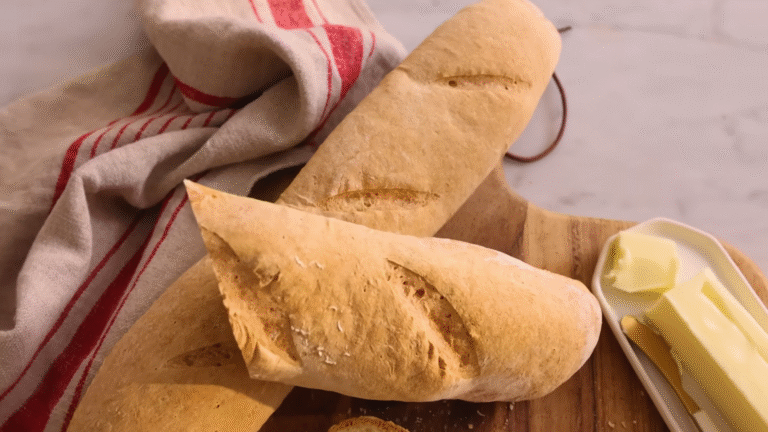
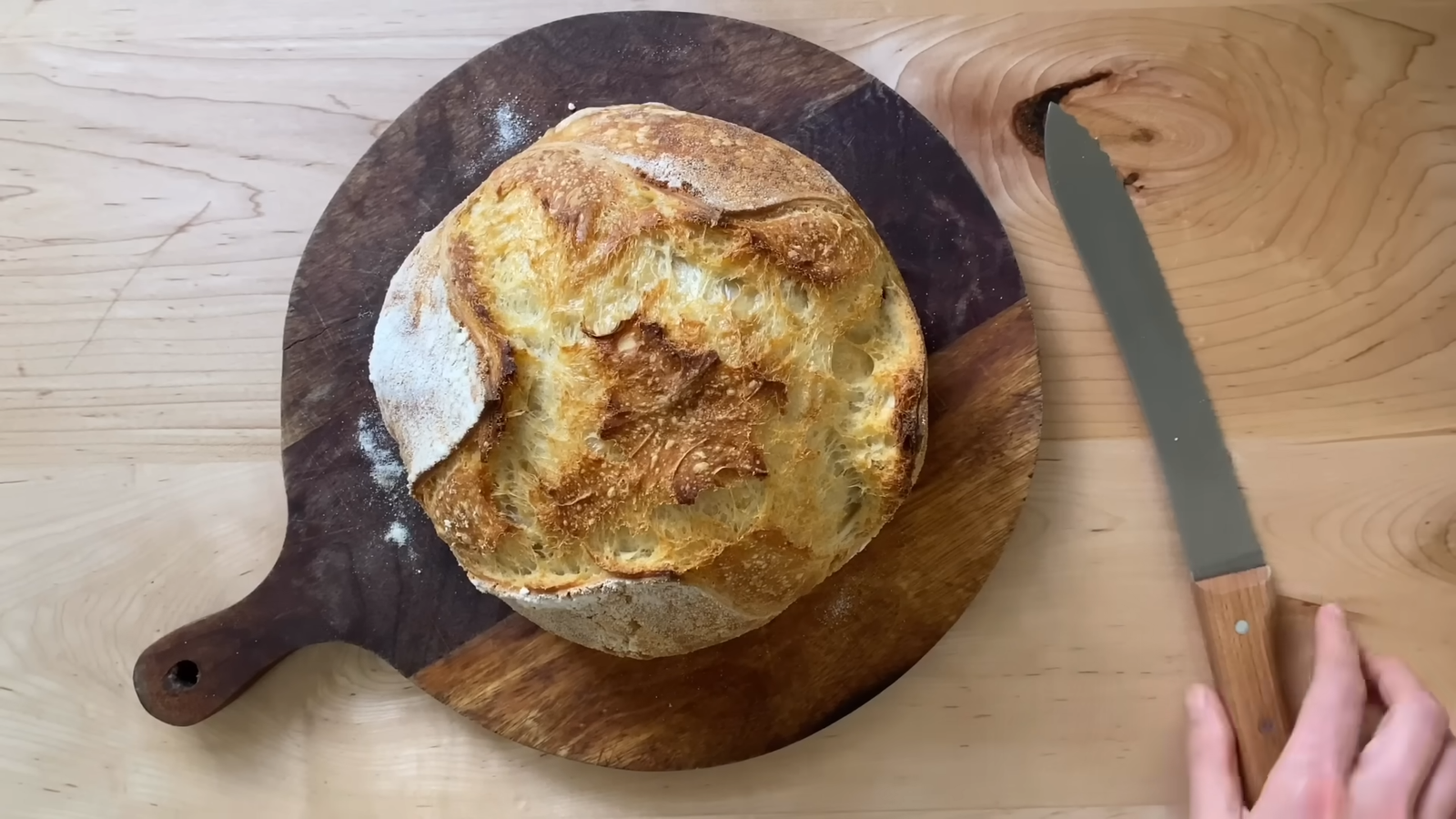
If you’ve ever smelled fresh sourdough coming out of the oven, you know it’s not just bread — it’s a moment.
I still remember my first loaf — cracked edges, chewy inside, and that tangy flavor that made me go, “Okay, this is real bread.”
I started making sourdough out of curiosity, but now it’s my weekend ritual. If you’ve ever wanted to bake a loaf that looks like it came straight from a bakery, this guide is for you.
Let’s bake together — step by step, no fancy words, no fluff.
What Makes Sourdough Bread So Special
Sourdough isn’t like regular bread — it’s alive. Literally. The secret is the sourdough starter, a mix of flour and water that captures wild yeast from the air.
This natural yeast gives sourdough its distinct tangy flavor, chewy texture, and long shelf life — all without commercial yeast.
What makes it special for me is how simple yet magical it feels. Just flour, water, salt, and time. That’s it. No preservatives, no chemicals — just pure homemade goodness that smells like comfort.
The Ingredients You’ll Need
You only need four simple ingredients, but their quality matters:
- Flour: Bread flour gives a strong structure; whole wheat adds a nutty flavor. I like using 75% bread flour and 25% whole wheat.
- Water: Use room-temperature filtered water. Chlorine can slow down your starter.
- Salt: Sea salt or kosher salt helps balance flavor.
- Sourdough Starter: The heart of it all. It should be bubbly and active before baking.
That’s all. You don’t need fancy tools or expensive ingredients — just patience and love.
How to Feed and Keep Your Starter Alive
Your sourdough starter is like a pet — you need to feed it. Mix equal parts flour and water every day until it’s bubbly, smells slightly sour, and doubles in size after feeding.
If you bake often, keep it at room temperature and feed daily. If not, store it in the fridge and feed it once a week. When you’re ready to bake, take it out, feed it, and wait until it’s active again.
Tip: If your starter floats in water, it’s ready to use.
Step-by-Step: How to Make the Perfect Loaf
Step 1: Mix the Dough
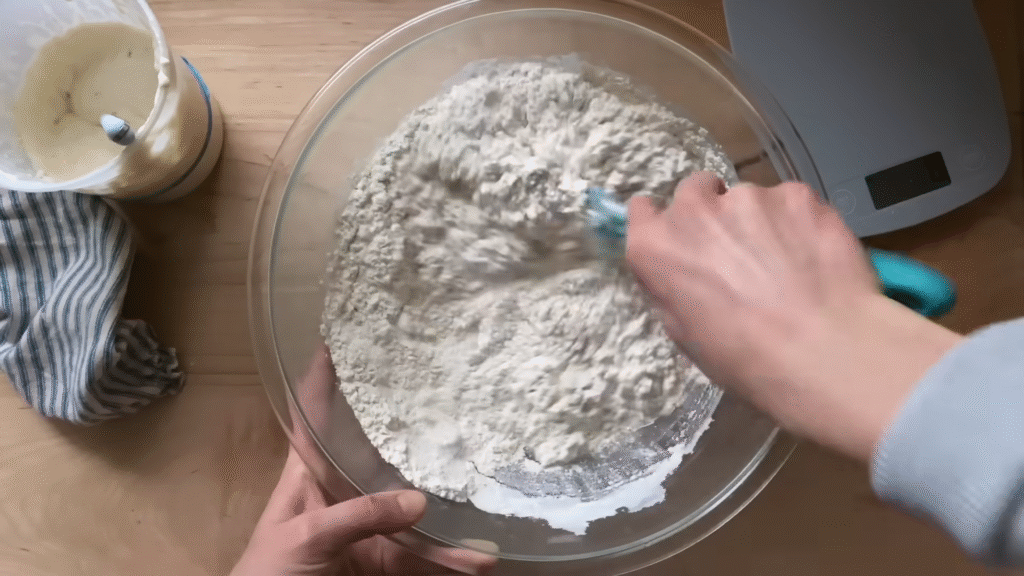
In a large bowl, mix 500g of flour, 350g of water, and 100g of active sourdough starter. Let it rest for 30 minutes — this step is called autolyse, and it helps the gluten develop.
Step 2: Add Salt
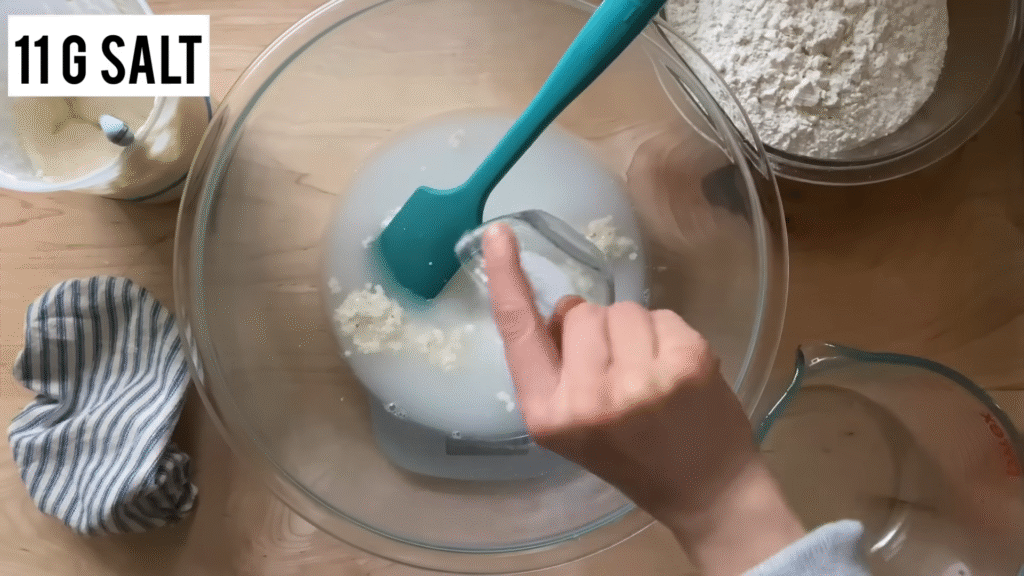
Add 10g of salt and a splash of water. Mix well using your hands. Don’t overthink it — it doesn’t have to be perfect. The dough should feel soft and slightly sticky.
Step 3: Stretch and Fold
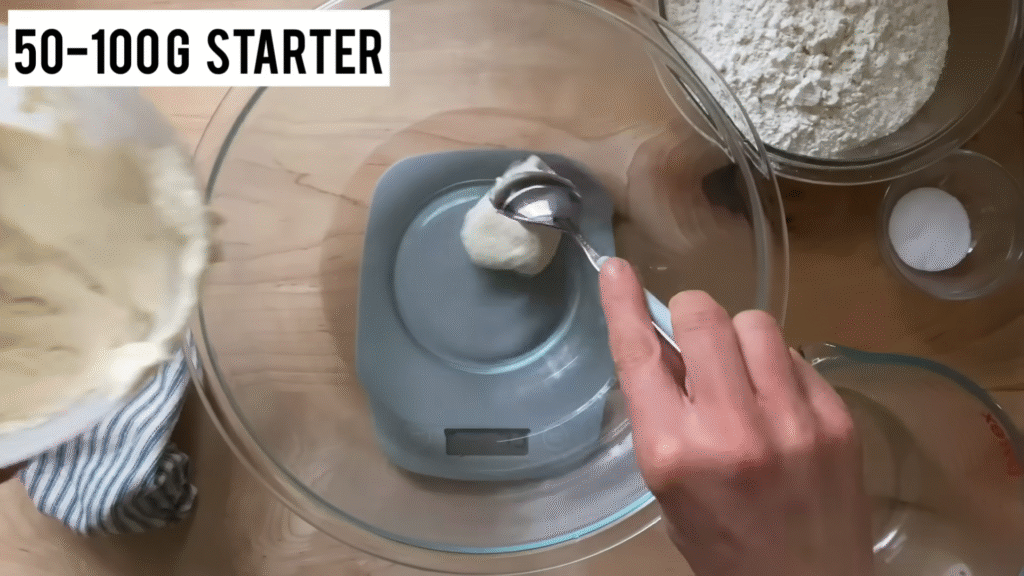
Every 30 minutes for the next 2 hours, perform a stretch and fold — lift one side of the dough, stretch it up, and fold it over. This builds strength and helps the dough rise beautifully.
Step 4: Bulk Fermentation
Cover the dough and let it rest for 4–6 hours at room temperature until it doubles in size. You’ll see bubbles forming — that’s your starter doing its magic.
Step 5: Shape the Dough
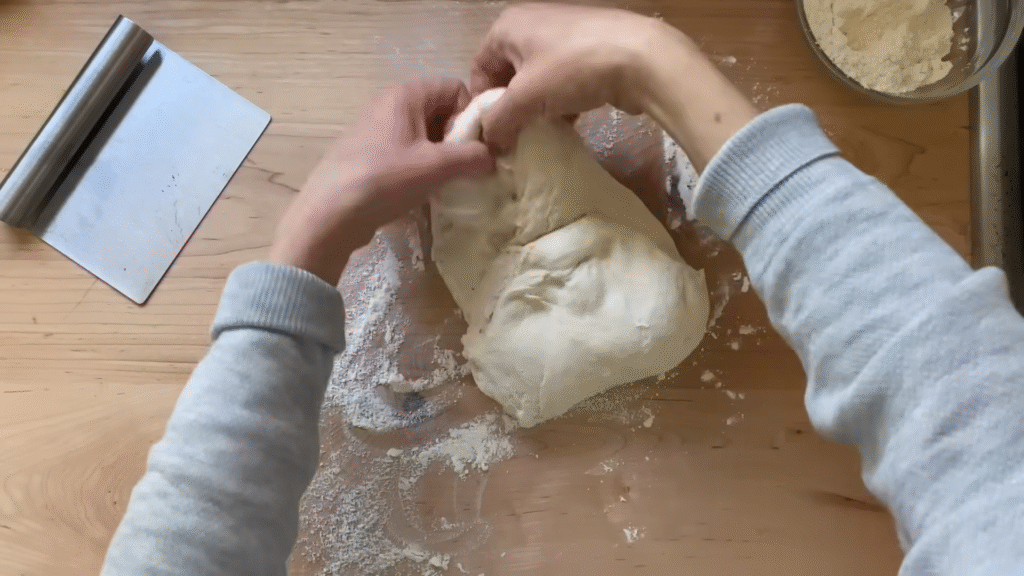
Gently shape your dough into a round loaf. Be gentle — you don’t want to lose the air inside. Place it in a floured proofing basket or bowl lined with a towel.
Step 6: Cold Proof Overnight
Refrigerate the shaped dough overnight (8–12 hours). This slow rise deepens the flavor and makes the crust extra crispy.
Step 7: Bake!
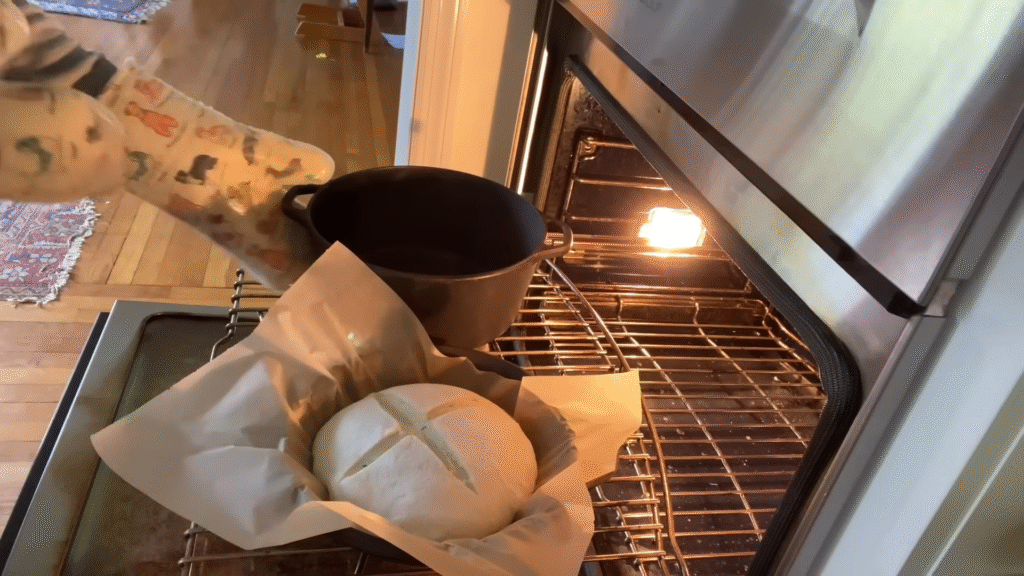
Preheat your oven to 475°F (245°C) with a Dutch oven inside. When it’s hot, carefully place your dough in, score the top with a knife, and bake covered for 20 minutes. Then uncover and bake for another 25–30 minutes until golden brown.
When you take it out, wait at least an hour before slicing. I know, it’s torture. But trust me — the flavor keeps developing as it cools.
What Makes This Recipe Work Every Time
- Cold fermentation gives a deep, rich flavor.
- Stretch and fold builds gluten without kneading.
- High heat baking creates that signature crispy crust.
- Simple ingredients keep the flavor clean and classic.
I’ve tried fancy versions, but this simple one wins every time. It’s the balance of chew, crust, and that slightly sour tang that makes each slice taste like something from a bakery.
My Personal Tips and Tricks
- Don’t rush the rise. If it’s cold, give it more time.
- Keep your starter healthy. A strong starter means a strong rise.
- Use steam. Bake with a lid or add a tray of water — it makes the crust perfect.
- Always preheat your oven fully. A hot oven = better oven spring.
- Slice with a sharp bread knife to keep that crust intact.
And most importantly — don’t stress. Your first loaf might look funny, but it will taste amazing. Each bake teaches you something new.
Why You’ll Love Making Sourdough
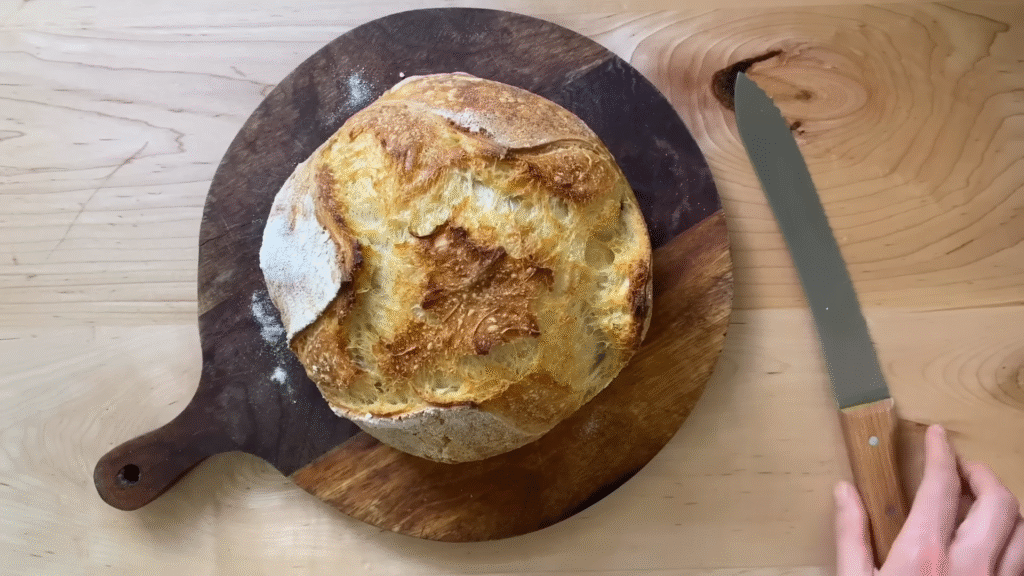
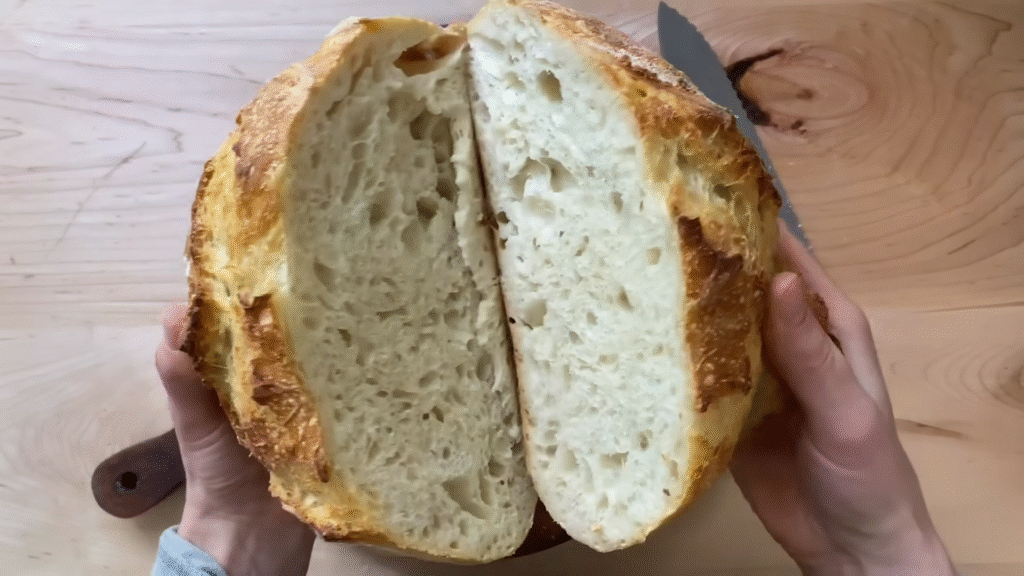
Once you start baking sourdough, you’ll never go back. It’s therapeutic, watching it rise slowly, smelling that tangy aroma, and slicing into the perfect crumb.
You’ll love it because:
- It’s healthier — fermented dough is easier to digest.
- It stays fresh longer than regular bread.
- You get full control — no hidden sugars or additives.
- It makes your kitchen smell like heaven.
And honestly, there’s something special about baking something from scratch that’s alive — it feels like you’re part of something ancient and real.
Common Sourdough Mistakes and Fixes
1. Flat Loaf?
Your starter might not be strong enough. Feed it for a few days before baking again.
2. Dense Inside?
You might have under-proofed. Let your dough rise longer next time.
3. Too Sour?
Try a shorter ferment time or feed your starter more often.
4. Hard Crust?
Wrap your loaf in a clean towel after baking — it’ll soften slightly while keeping that crunch.
How to Store Sourdough Bread
Let it cool fully, then store it in a paper bag or bread box at room temperature for 2–3 days.
For longer storage, slice it and freeze. Just pop slices in the toaster — it’ll taste freshly baked.
Avoid plastic bags unless you like a softer crust (some people do!).
Final Thoughts
Sourdough bread isn’t just food — it’s a little daily victory. It’s the kind of recipe that connects you to something bigger — patience, craft, and care. Once you bake your first loaf, you’ll understand why people are obsessed with it.
So go ahead — feed that starter, warm up your oven, and bake the loaf that’ll make your kitchen smell like a bakery.
FAQs About Sourdough Bread
Q: How long does sourdough bread last?
A: At room temperature, it lasts 3–4 days. You can freeze it for up to 3 months.
Q: Can I use all-purpose flour instead of bread flour?
A: Yes, but the loaf may be slightly softer with less rise.
Q: Why is my sourdough not rising?
A: Your starter might be weak. Feed it for a few days until bubbly and active.
Q: Do I need a Dutch oven?
A: It helps create steam for a crispy crust, but you can also bake on a tray with a pan of hot water below.
Q: Can I make sourdough without a starter?
A: Not really — the starter gives sourdough its flavor and rise. But once you make one, it lasts forever with care.