You know how some foods just feel like home? For me, it’s French bread. I still remember the first time I tried baking it—it was a disaster.
The crust was like a rock, and the inside felt like rubber. But I didn’t give up. I kept trying, changing little things until I found the perfect mix of crispy outside and soft, chewy inside.
Now, every time I bake a loaf, the smell fills the kitchen, and I feel like I’ve brought a little piece of France into my home.
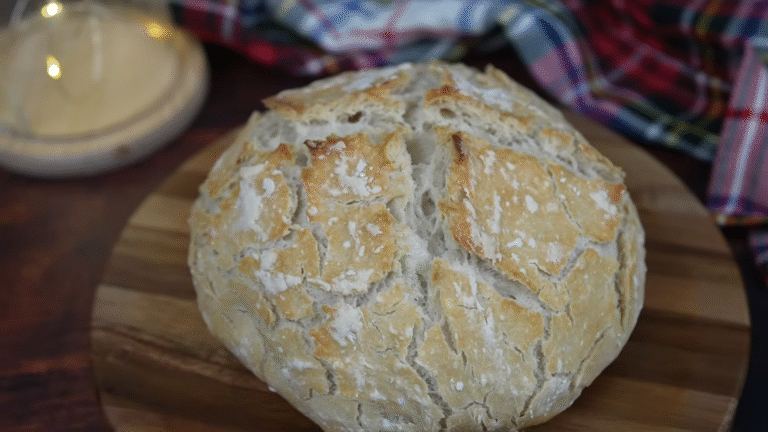
If you’ve ever dreamed of baking that golden, crackly bread you see in bakeries, this recipe is for you.
Let’s bake together. I promise—you’ll fall in love with homemade French bread.
What Makes French Bread So Special
French bread is not just bread—it’s art in simplicity. It uses only four main ingredients: flour, yeast, salt, and water. No sugar, no butter, no milk. Yet, it turns out incredibly flavorful.
The secret lies in time and technique. French bread has a slow rise that lets the yeast work its magic, building that light texture and deep flavor. When you slice into it, you get that crackly crust sound that makes every baker proud.
Here’s the beauty of it: once you master this bread, you can turn it into garlic bread, sandwiches, bruschetta, or enjoy it plain with butter. It’s the kind of bread that makes even a simple dinner feel special.
Ingredients You’ll Need
You won’t need fancy ingredients for this—just the basics you probably already have at home.
- 4 cups all-purpose flour (plus extra for dusting)
- 2 ¼ tsp active dry yeast (one packet)
- 1 ½ tsp salt
- 1 ½ cups warm water (not hot, around 110°F or 43°C)
That’s it. Four ingredients. The rest is all about how you handle them.
Step-by-Step: How to Make French Bread
1. Activate the Yeast
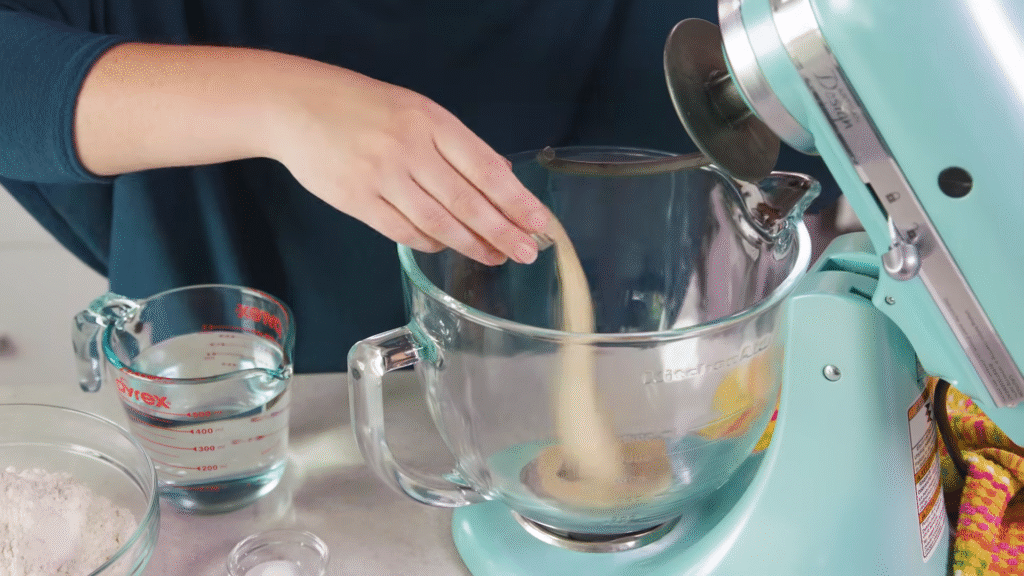
Start by mixing your yeast with the warm water in a large bowl. Let it sit for 5–10 minutes until it looks foamy.
If it doesn’t foam, your yeast might be dead (sadly, it happens). Just try again with fresh yeast.
This step wakes up the yeast so it can do its job later—creating that beautiful rise.
2. Mix the Dough

Add flour and salt to the yeast mixture. Mix with a wooden spoon or your hands until the dough starts to come together. It’ll be a bit sticky at first—don’t panic, that’s normal.
Once it forms a rough ball, place it on a lightly floured surface and start kneading.
3. Knead the Dough

Kneading is where the magic happens. Push the dough with your palm, fold it, and turn it—over and over for about 10 minutes.
You’ll know it’s ready when the dough becomes smooth, elastic, and soft, like playdough but bouncier.
If you press it gently with your finger, it should spring back slowly. That’s the sign of good gluten development—your bread will be airy and light.
4. Let It Rise (First Rise)

Place the dough in a lightly oiled bowl, cover it with a damp towel, and let it rest for 1 to 1.5 hours, or until it doubles in size.
This slow rise helps build flavor. It’s like giving your dough a nap—it wakes up stronger and tastier.
5. Shape the Loaves
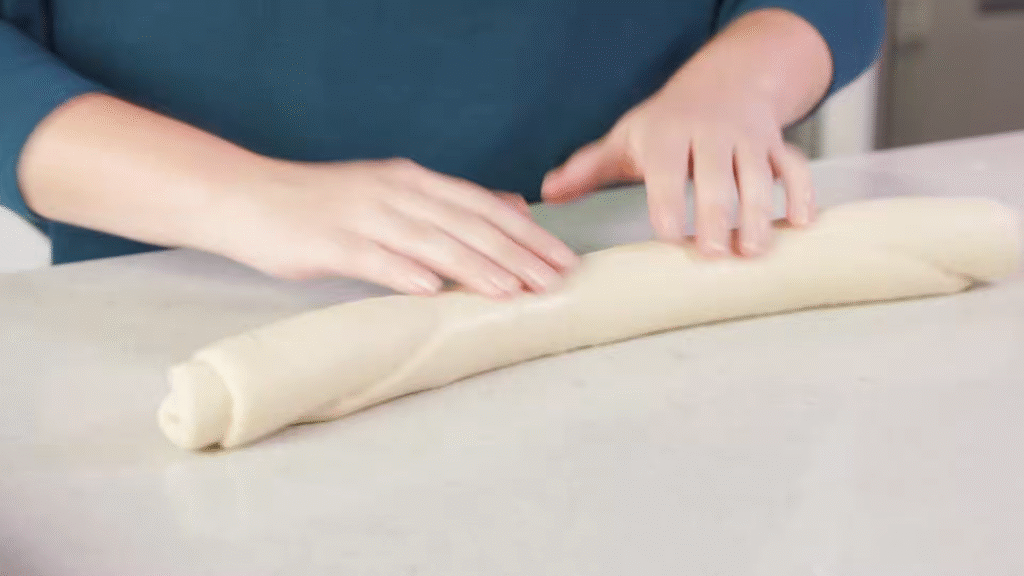
Once the dough has doubled, punch it down gently to release the air. Divide it into two equal pieces if you want smaller loaves.
Shape each piece into a long oval or baguette shape, tucking the edges under so it looks neat. Place them on a baking sheet lined with parchment paper.
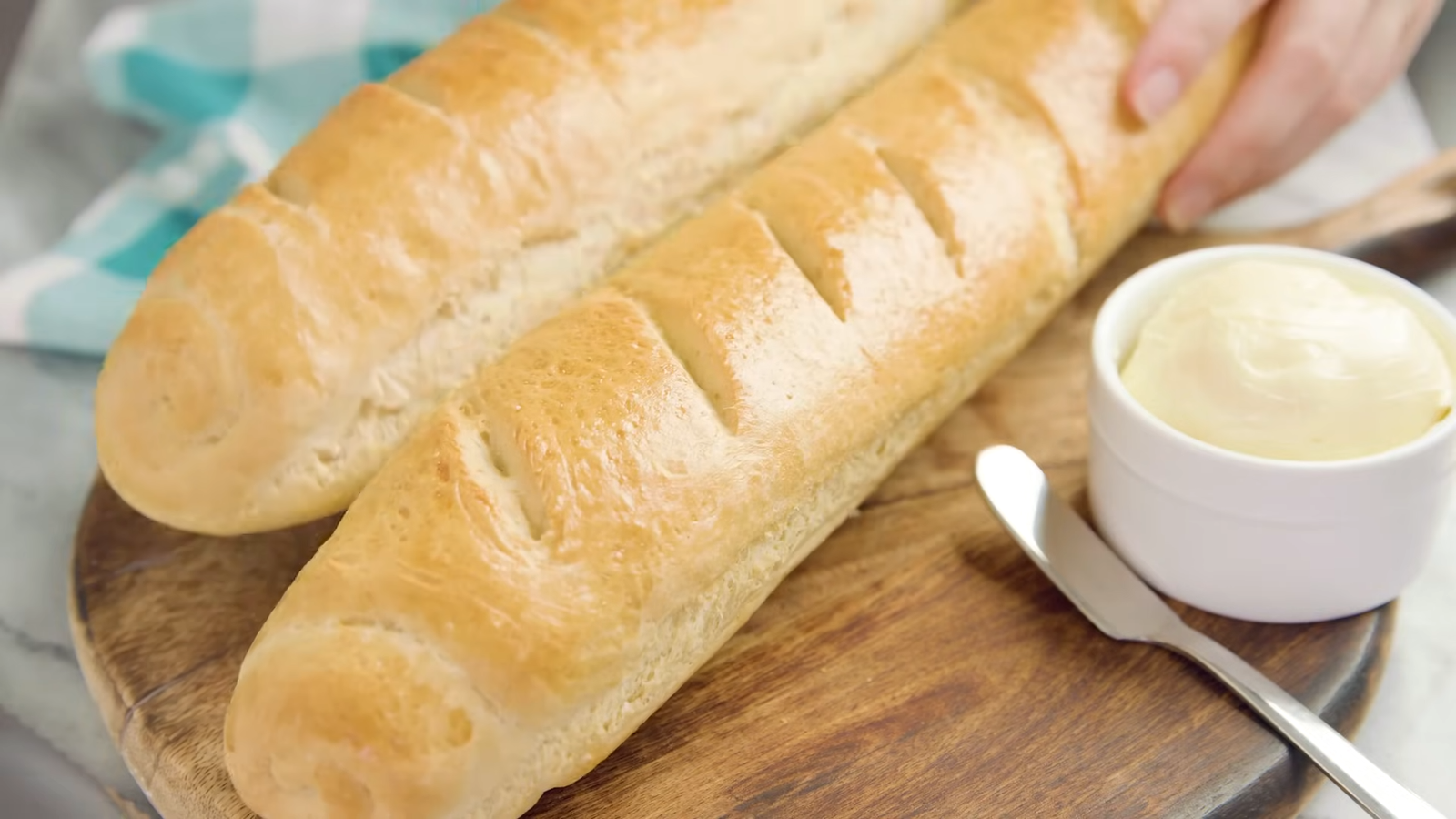
For that classic French bread look, make a few diagonal slashes on top using a sharp knife. It’s not just for looks—these cuts help the bread expand properly in the oven.
6. Second Rise
Cover your shaped loaves again with a towel and let them rest for 30–45 minutes. They’ll puff up slightly—that’s a good sign.
This step gives your bread that soft, airy texture inside.
7. Bake to Perfection

Preheat your oven to 450°F (230°C).
Here’s a little bakery secret: place a small pan of hot water on the bottom rack while baking. The steam helps create that crispy, golden crust.
Bake your loaves for 20–25 minutes until they’re golden brown and sound hollow when tapped on the bottom.
Let them cool for at least 10 minutes before slicing. (I know, waiting is hard—but trust me, it’s worth it.)
Tips for the Perfect French Bread
- Use the right water temperature. Too hot kills the yeast, too cold slows it down. Aim for warm—not hot—to the touch.
- Don’t rush the rise. The longer your dough rests, the better the flavor.
- Steam is your friend. It’s what gives that perfect crackly crust.
- Handle gently after rising. You don’t want to squish out the air bubbles.
- Use a baking stone if you have one. It mimics a real bakery oven.
How to Store and Reheat French Bread
Fresh French bread tastes best on the same day, but if you have leftovers:
- Room temperature: Wrap it in a towel or paper bag. Avoid plastic—it makes the crust soft.
- Freezing: Slice and freeze in a zip bag. Toast or warm in the oven before eating.
- Reheating: Sprinkle a bit of water on top and warm it in a 350°F oven for 10 minutes. It’ll taste freshly baked again!
Creative Ways to Enjoy French Bread
- Garlic Bread: Mix butter, garlic, and parsley, spread it on slices, and toast it.
- Bruschetta: Top with chopped tomatoes, basil, and olive oil.
- French Toast: Yes, leftover French bread makes the best French toast!
- Sandwiches: Its sturdy crust holds up perfectly for any filling.
- Soup Sidekick: Dip it in soup or stew—it soaks up flavors like a dream.
Why You’ll Love This Recipe

Because it’s simple, real, and satisfying.
There’s something special about pulling a golden loaf out of the oven that you made from scratch. No machine, no mix—just your hands and four ingredients.
Every time I bake this, I feel proud. And when my family tears into a loaf, still warm and fragrant, that’s when I know it’s worth it.
Try it once, and I promise—you’ll never want store bread again.
FAQs About French Bread
Q1: Can I use whole wheat flour instead of all-purpose?
Yes, but it’ll be denser. Try half whole wheat and half all-purpose for balance.
Q2: How do I know when it’s done baking?
Tap the bottom—it should sound hollow. The crust should be golden brown.
Q3: My bread didn’t rise. What went wrong?
Most likely, your yeast was old or the water was too hot. Always check yeast freshness.
Q4: Can I make it in a bread machine?
Yes, but for the best crust, bake it in the oven after the dough cycle.
Q5: How long does French bread stay fresh?
It’s best eaten within a day or two. After that, freeze it to keep it fresh longer.