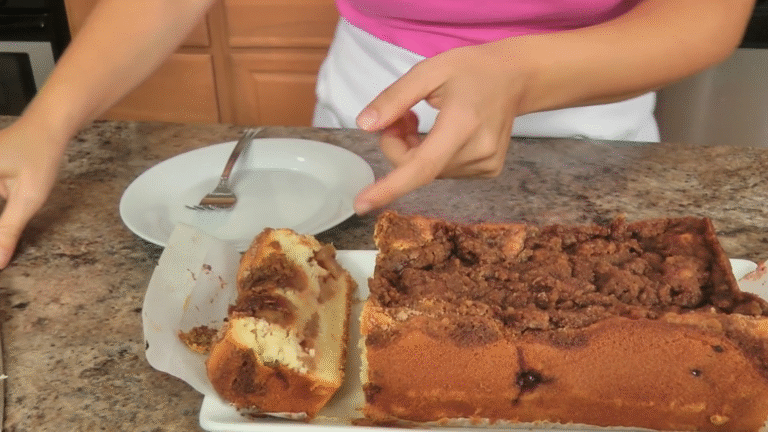
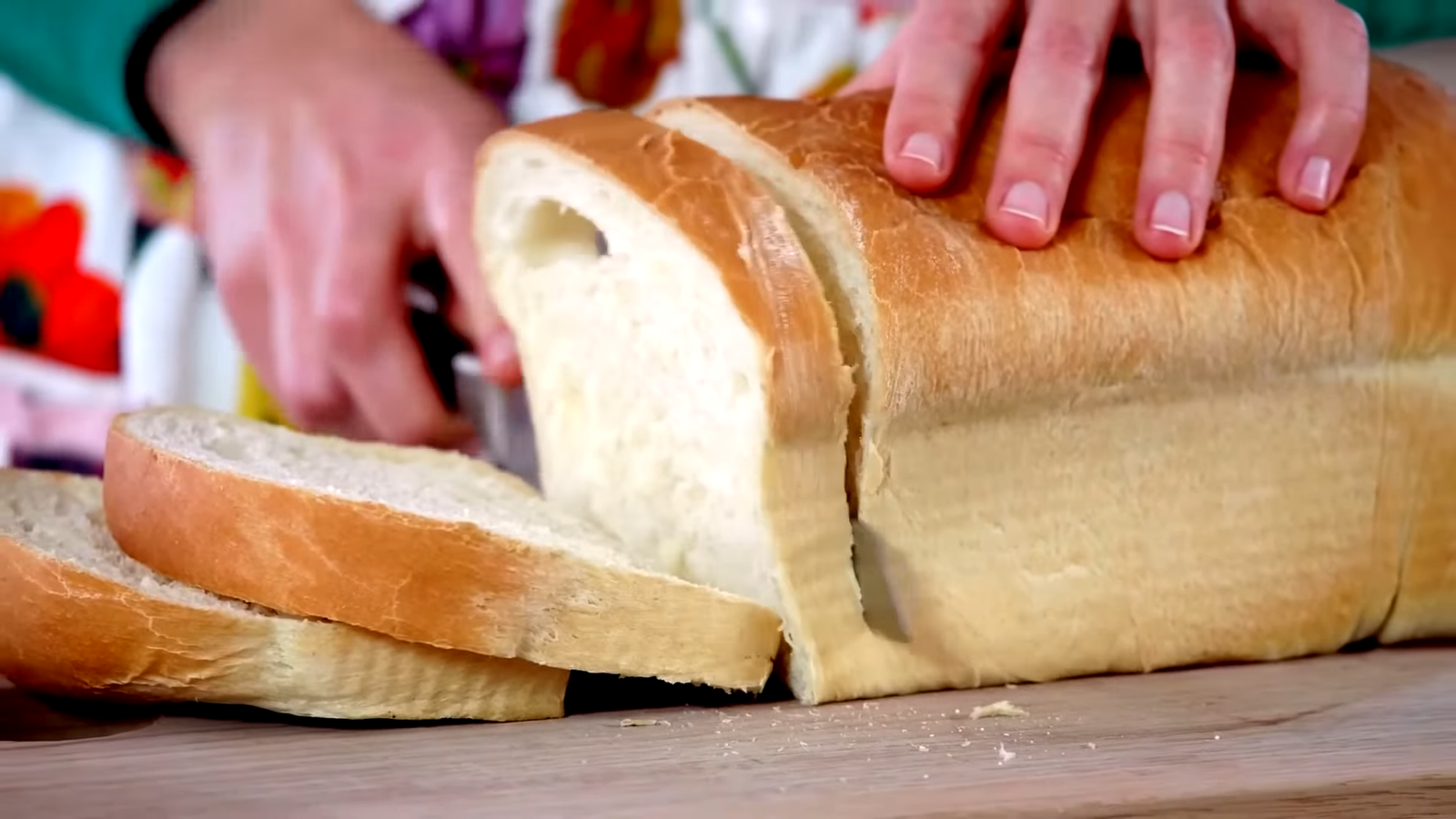
You know that warm smell of bread that makes your whole kitchen feel like a cozy bakery? That’s what I fell in love with the first time I baked this sandwich bread.
I was tired of store-bought loaves that felt dry and crumbly after two days. So, I decided to make my own — and honestly, I never looked back.
If you’ve ever wanted soft, fluffy, and fresh homemade sandwich bread that tastes better than anything from the store, this recipe is going to be your new best friend.
Let’s get baking.
Why You’ll Fall in Love with This Sandwich Bread
I know you’ve probably tried a dozen bread recipes before, but this one? It’s different. It’s soft yet strong enough to hold all your favorite sandwich fillings without breaking apart. It stays fresh for days, and it’s so simple you’ll wonder why you didn’t start making it sooner.
This recipe gives you:
- A perfect golden crust that’s slightly crisp but not hard.
- A pillowy, moist inside that makes every bite melt in your mouth.
- A dough that’s easy to knead and shape, even if you’ve never baked before.
Plus, it uses everyday ingredients — nothing fancy, nothing hard to find.
Ingredients You’ll Need
Here’s what you’ll need for one beautiful loaf:
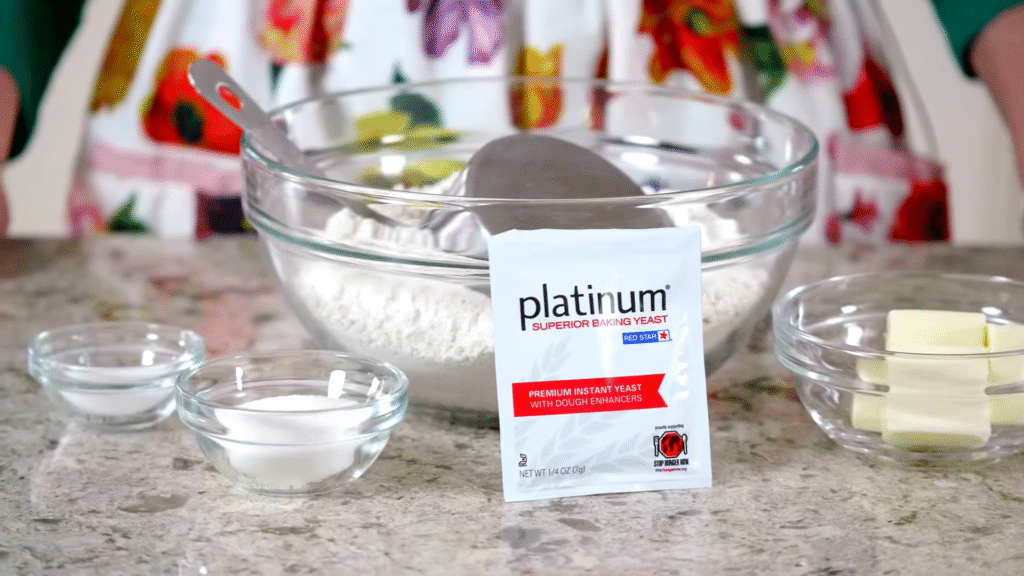
- 3 ½ cups all-purpose flour (you can also use bread flour for a chewier texture)
- 2 ¼ tsp instant yeast (one packet)
- 1 cup warm milk (not hot — just warm to touch)
- 2 tbsp sugar
- 2 tbsp soft butter (unsalted works best)
- 1 tsp salt
- 1 egg (optional, for extra softness)
Pro tip: Make sure your milk isn’t too hot — if it feels like bath water, that’s perfect. Hot milk can kill your yeast, and we don’t want that!
How to Make the Perfect Sandwich Bread (Step-by-Step)
This recipe is easy — no complicated steps, no stress. Just follow along, and you’ll have the softest loaf in no time.
1. Activate the Yeast

In a large bowl, mix warm milk, sugar, and yeast. Let it sit for about 5-10 minutes until it looks foamy on top.
That foam means your yeast is alive and ready to work its magic. If it doesn’t bubble, your yeast might be old — grab a new packet and try again.
2. Mix the Dough
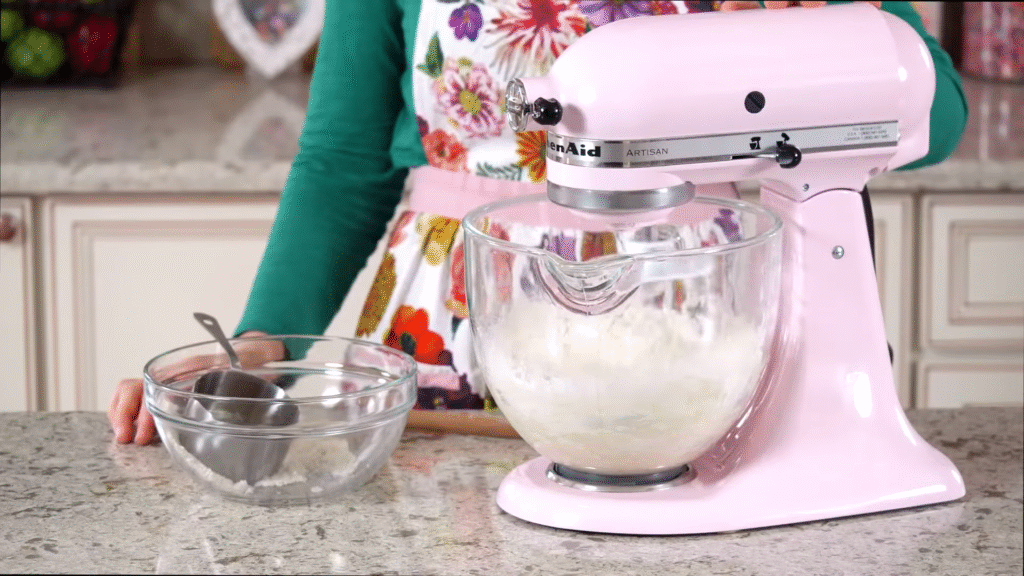
Add soft butter, salt, and egg (if using) to the yeast mixture. Slowly add in the flour, one cup at a time, mixing with a wooden spoon or your hands until a soft dough forms.
When it starts coming together, turn it out onto a floured surface. This is where the fun begins — time to knead!
3. Knead Until Smooth
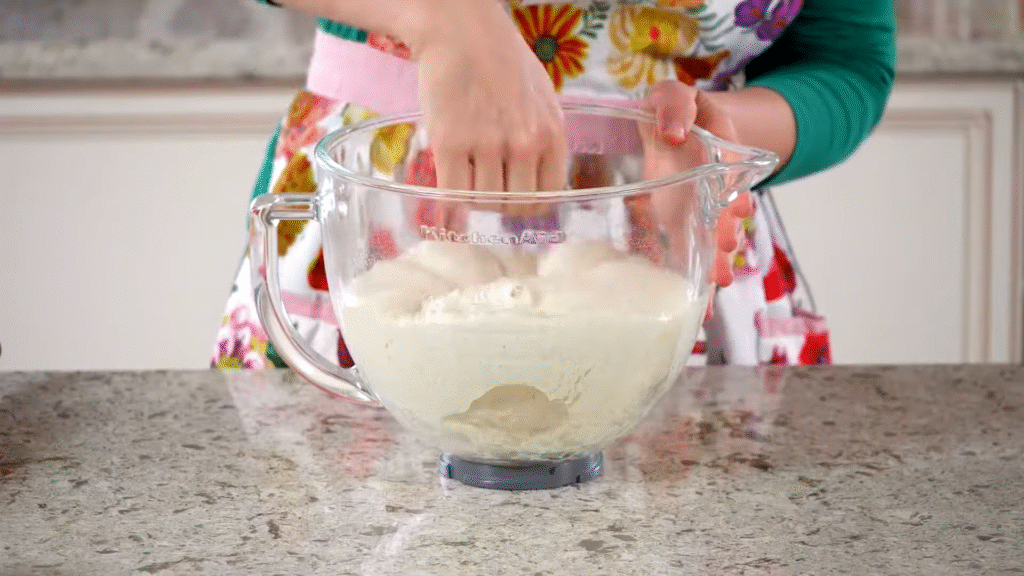
Knead the dough for about 8-10 minutes. It should feel smooth, soft, and slightly springy.
If it’s too sticky, sprinkle a bit of flour — but don’t add too much, or your bread will turn dense. Think of it like giving your dough a gentle workout — not too rough, just steady and patient.
4. First Rise – Let It Rest
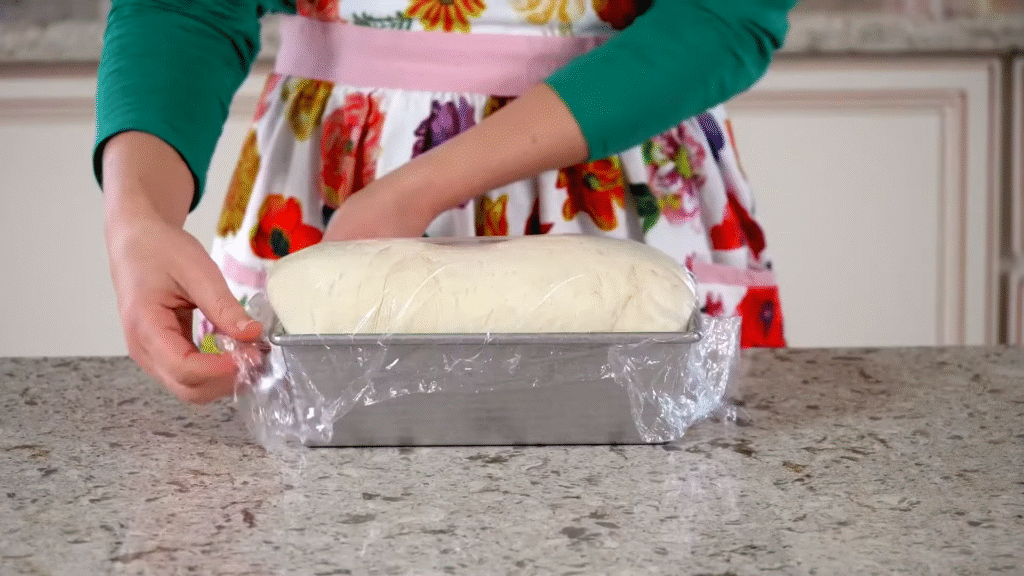
Place the dough in a greased bowl, cover it with a clean towel, and let it rise for about 1 to 1.5 hours in a warm place.
When it doubles in size, that’s your sign — the yeast did its job beautifully!
5. Shape the Dough
Punch down the dough gently (yes, this is satisfying). Roll it out into a rectangle and then tightly roll it up like a jelly roll.
Place it seam-side down in a greased loaf pan. This shape helps it rise evenly and look bakery-perfect.
6. Second Rise – Almost There!
Cover again and let it rise for 30–40 minutes. The dough should puff up nicely and reach close to the top of the pan.
This second rise gives the bread that soft, fluffy texture we all love.
7. Bake to Golden Perfection
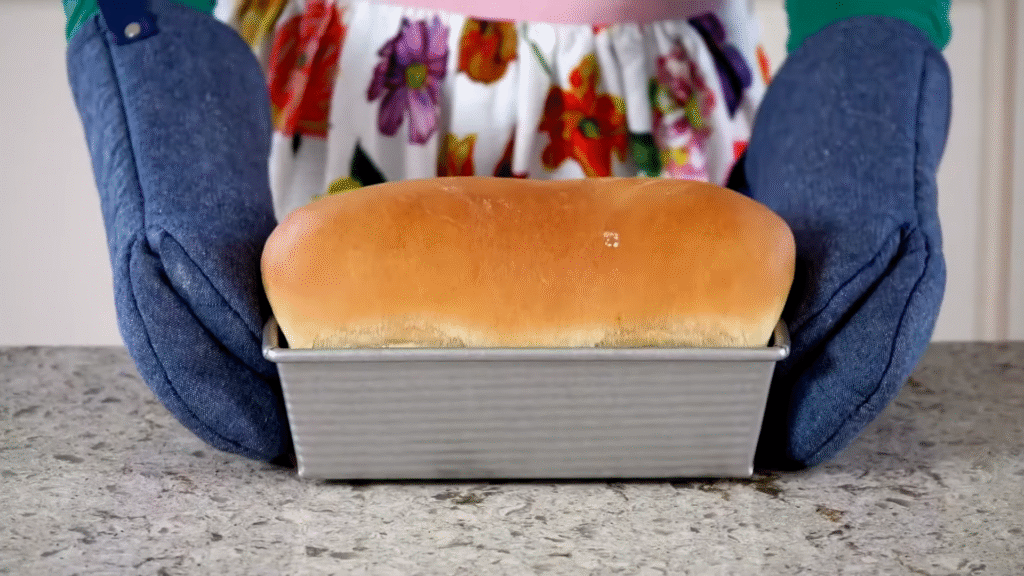
Preheat your oven to 350°F (175°C). Bake for 25–30 minutes, until the top is golden brown and your kitchen smells heavenly.
Tap the top lightly — if it sounds hollow, your bread is ready!
8. The Finishing Touch

As soon as you pull it out of the oven, brush the top with a bit of butter. This gives your loaf that shiny, soft crust you see in bakery windows.
Let it cool completely before slicing — I know, waiting is hard, but it helps keep the texture perfect.
Why Homemade Sandwich Bread Beats Store-Bought
You’ll taste the difference immediately. Store bread often has preservatives and sugar that make it taste artificial. Homemade bread? It’s fresh, warm, and made with love — and that love shows in every bite.
Plus, when you make it yourself, you know exactly what’s going into it. No weird ingredients, just pure, honest bread that tastes like home.
How to Store Your Bread (and Keep It Fresh)
- At room temperature: Store in a bread box or airtight container for up to 4 days.
- In the fridge: Keeps for about a week, but may dry out slightly.
- Freeze it: Slice first, then freeze. Just pop slices into the toaster whenever you want — it tastes like freshly baked bread again!
Best Ways to Enjoy This Bread
This bread is so versatile, it’s like a blank canvas for your cravings. Here are my favorite ways to enjoy it:
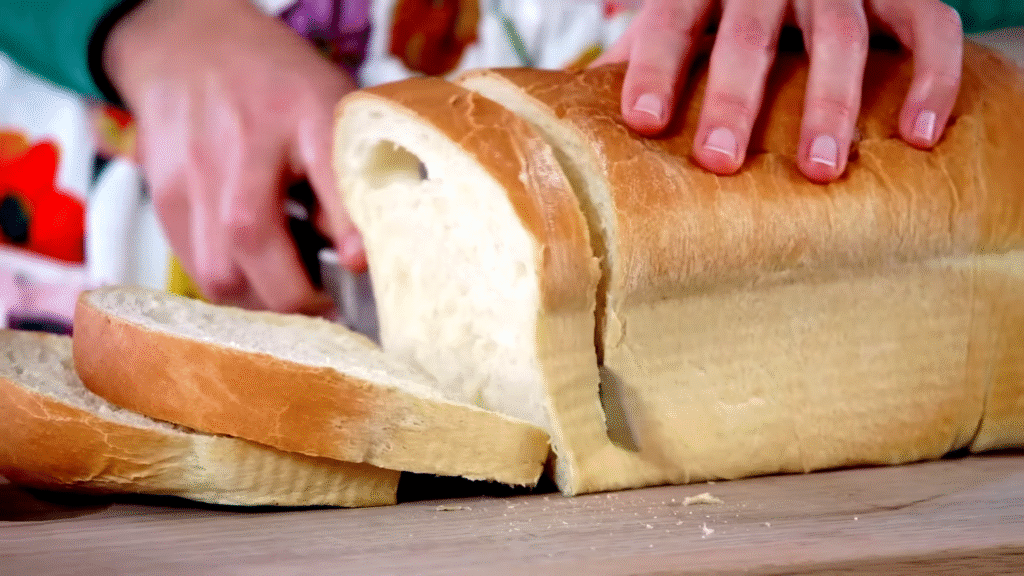
- Classic sandwiches: Ham, cheese, turkey, or even a peanut butter & jam combo.
- French toast: Thick slices soaked in egg and milk, then cooked golden — absolute heaven.
- Garlic toast: Spread with butter and garlic, then toast — quick and tasty.
- Simple buttered toast: Because sometimes, simple is perfect.
Troubleshooting Tips
Even the best bakers run into a few bumps. Here’s how to fix the common ones:
- Bread didn’t rise: Yeast was too old or liquid was too hot. Always use fresh yeast and warm (not hot) milk.
- Bread too dense: Over-flouring or under-kneading. Aim for soft dough and knead until smooth.
- Crust too hard: Brush butter right after baking to soften it.
Final Thoughts
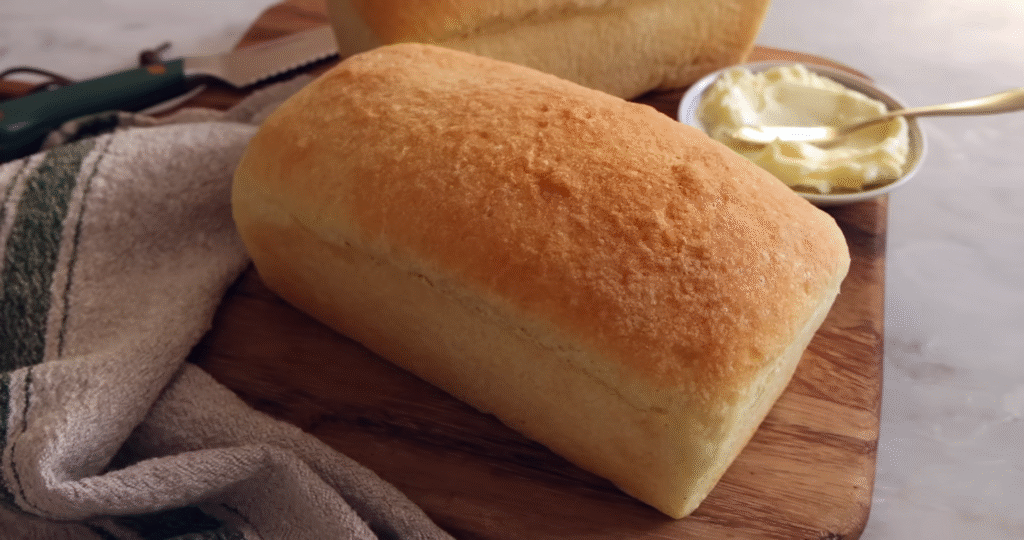
There’s something special about baking your own sandwich bread. It’s simple, comforting, and makes your kitchen smell incredible.
Once you try this recipe, you’ll never want to buy bread again — it’s that good. And the best part? You made it with your own hands. That’s something to be proud of.
FAQs About Sandwich Bread Recipe
Q1: Can I make this bread without eggs?
Yes! The egg just makes it a bit softer, but you can skip it or replace it with 2 tablespoons of yogurt or milk.
Q2: Can I use whole wheat flour?
You can replace half of the flour with whole wheat, but it’ll make the bread denser. All-purpose or bread flour gives the softest result.
Q3: How can I make my bread extra soft?
Use milk instead of water, add a little butter, and don’t overbake it. Also, brush the top with butter after baking — that locks in the softness.
Q4: What if I don’t have a loaf pan?
You can shape the dough into a round loaf and bake it on a baking tray — it’ll still taste amazing!
Q5: Why does my bread smell yeasty?
It means it might have over-proofed or the yeast wasn’t fully mixed. Next time, reduce the rise time slightly.