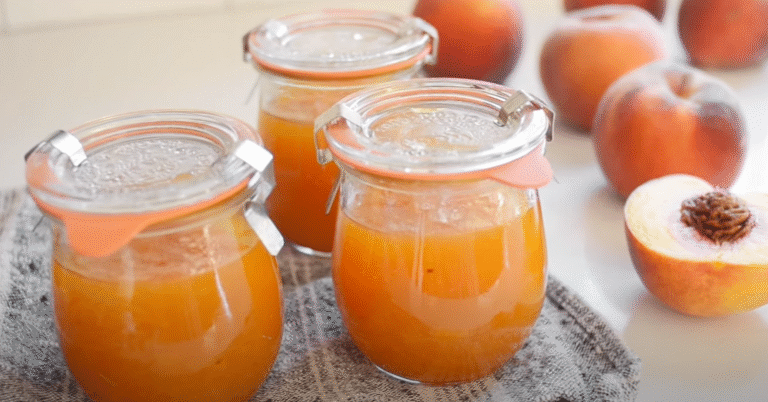
If there’s one recipe that captures summer sunshine in a jar, it’s peach preserves. Simple, sweet, and deeply satisfying, these golden jars taste like nostalgia. The best part? You don’t need complicated ingredients or fancy kitchen gadgets. Just three humble ingredients—ripe peaches, sugar, and lemon juice—come together to create a spread that’s so good, you’ll want to eat it straight off the spoon.
I’ve made peach preserves in tiny city kitchens with nothing but a single pot, and I’ve also made them in big country kitchens with baskets of just-picked peaches. Each time, the magic is the same: a kitchen that smells like caramelized fruit, sticky spoons, and the sound of lids popping as jars seal. Let me walk you through this recipe, not like a sterile instruction sheet, but as a friend showing you how to make one of the most joyful, practical treats you’ll ever create.
Why Peach Preserves Are Worth Making
Store-bought jams and preserves are everywhere. But here’s the truth: homemade peach preserves taste nothing like the ones on supermarket shelves. Commercial versions often rely on added pectin, artificial stabilizers, or corn syrup. While those shortcuts keep production cheap, they rob you of that deep, peach-forward flavor that only comes from slow simmering ripe fruit with sugar.
Peach preserves are also incredibly versatile. Spread them on toast, swirl them into yogurt, use them as a glaze for grilled chicken, or spoon them over cheesecake. A jar of peach preserves is not just for breakfast—it’s a year-round flavor booster.
And let’s not ignore the economics. According to USDA produce reports, peak-season peaches can drop to as low as $0.99 to $1.50 per pound at farmers markets or roadside stands. Compare that to premium artisanal peach preserves, which can cost $7 to $12 per jar in specialty stores. With just a Saturday afternoon and a few dollars’ worth of fruit, you can stock your pantry for months.
The 3 Ingredients You Need
The beauty of this recipe lies in its simplicity. Each ingredient plays a role, and there’s no need to complicate it.
Peaches
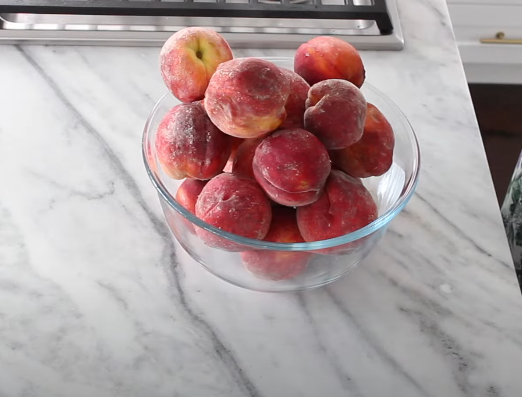
The star of the show. You’ll need about 4 pounds of ripe peaches to make around 4–5 half-pint jars of preserves. Look for peaches that are fragrant, slightly soft to the touch, and free of bruises. Freestone peaches are ideal because the pits slip out easily.
Personal tip: When I was a kid, my grandmother used to say, “If you can smell the peach before you even pick it up, that’s the one you want.” She was right. Aroma is the best ripeness indicator.
Sugar
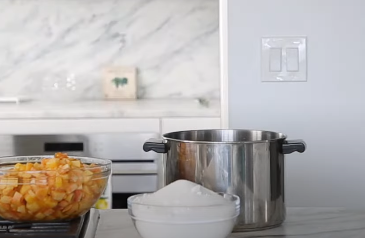
Granulated sugar is the traditional choice. It doesn’t just sweeten the fruit—it also helps with preservation and gives the preserves that glossy, jammy texture. Plan on about 4 cups of sugar per 4 pounds of peaches, though you can adjust slightly depending on sweetness.
Lemon Juice
Fresh lemon juice isn’t optional—it’s essential. It balances the sweetness, enhances the peach flavor, and provides natural acidity that helps preserve the fruit safely. Use the juice of 2 medium lemons (about 1/4 cup).
That’s it. No boxed pectin, no thickeners, no fillers. The peaches themselves contain natural pectin, which, combined with the sugar and lemon, will set into the perfect consistency.
Step-by-Step Instructions for Peach Preserves
Now for the fun part. Making peach preserves is equal parts prep work and patient simmering. Here’s how to do it.
Step 1: Peel the Peaches
Start by blanching the peaches. Bring a large pot of water to a boil, then lower the peaches in for 30–45 seconds. Quickly transfer them to a bowl of ice water. The skins will slip off like magic.
I’ve skipped peeling before when I was short on time, but trust me: peeled peaches make a smoother, silkier preserve that’s much nicer to spread.
Step 2: Pit and Chop
Slice the peaches in half, remove the pits, and chop into small chunks. You don’t need to dice them into perfect cubes—part of the charm of preserves is having a mix of chunky fruit and smooth syrup.
Step 3: Combine with Sugar and Lemon
In a large non-reactive pot (stainless steel or enameled cast iron), combine peaches, sugar, and lemon juice. Stir well and let sit for 30–45 minutes. This maceration step draws out the peach juices and starts the syrup naturally.
Step 4: Cook Slowly
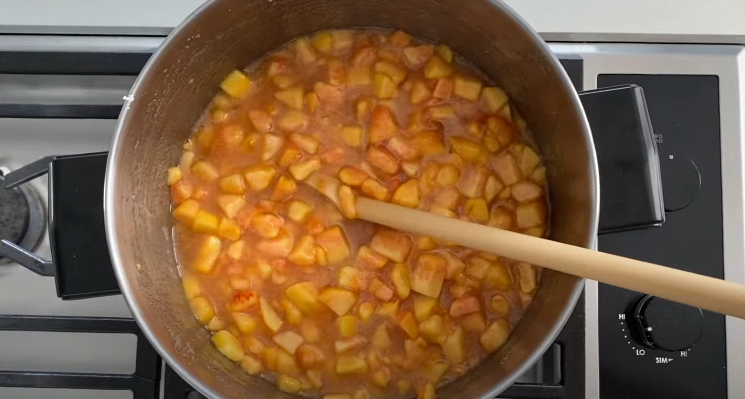
Bring the mixture to a boil over medium-high heat, then reduce to a simmer. Stir often to prevent sticking, and skim off any foam that rises to the top. Cook until the preserves thicken, usually 35–45 minutes.
Here’s where patience matters. Don’t rush the cooking. You’ll know the preserves are ready when the syrup coats the back of a spoon and drips off in a slow sheet rather than a thin stream.
Step 5: Jar and Seal
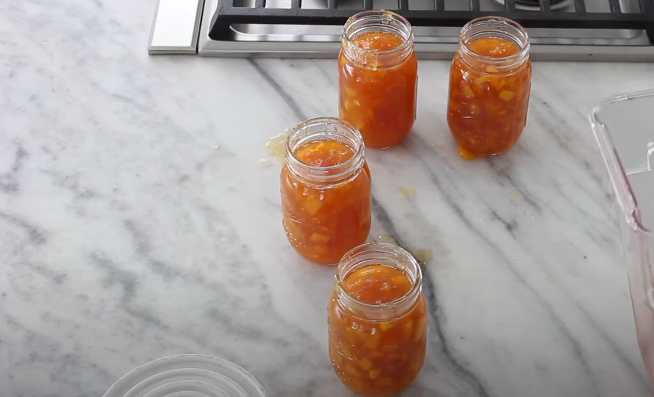
If you’re planning to eat the preserves right away, store them in clean jars in the refrigerator. For longer storage, process the jars in a boiling water bath for 10 minutes. When you hear that satisfying “pop” as the lids seal, you’ll know your summer treasure is ready for the pantry.
How to Test for Doneness
One of the biggest questions people have when making preserves is: “How do I know when it’s done?”
Here are a few foolproof methods:
- Freezer Plate Test: Place a small plate in the freezer before you start cooking. When you think the preserves are ready, spoon a little onto the cold plate and push it with your finger. If it wrinkles instead of running, it’s set.
- Spoon Test: Lift some preserves on a spoon and let it drip back into the pot. If the drops merge into a sheet rather than falling as separate drips, you’ve got the right consistency.
- Temperature Test: If you have a candy thermometer, cook until the mixture reaches 220°F (104°C). That’s the gelling point for jams and preserves.
How Long Do Peach Preserves Last?
Homemade peach preserves stored in sealed jars will last up to 12 months in a cool, dark pantry. Once opened, refrigerate and use within 3–4 weeks.
Fun fact: A USDA study found that properly canned fruit preserves retain about 80–90% of their vitamin C content after six months. That means your homemade preserves aren’t just tasty—they’re also a surprisingly nutritious pantry staple.
Ways to Use Peach Preserves
The obvious way is on toast, but let’s think bigger. These golden jars are incredibly versatile:
- Breakfast: Spread on toast, pancakes, or waffles. Swirl into oatmeal or Greek yogurt.
- Baking: Use as a filling for thumbprint cookies, cake layers, or hand pies.
- Savory Pairings: Glaze pork chops, chicken wings, or salmon with peach preserves for a sweet-savory kick.
- Cheese Boards: A dollop next to brie or goat cheese will make your guests think you’re a genius host.
- Desserts: Warm slightly and spoon over vanilla ice cream.
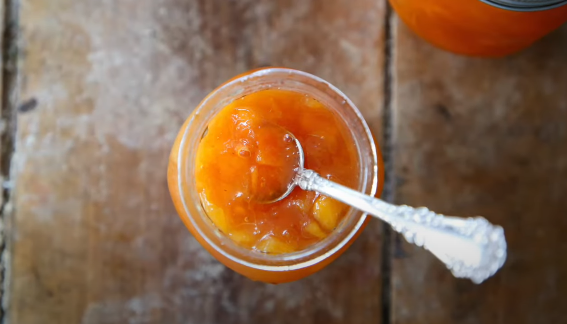
Every time you pop open a jar, you’re basically opening summer, no matter the season.
Troubleshooting Peach Preserves
Even simple recipes can sometimes trip you up. Here’s how to solve common issues:
- Too Runny: You may not have cooked it long enough. Return to the pot and simmer longer. Alternatively, refrigerate and use as a peach syrup—it’s fantastic on pancakes.
- Too Thick: If you overcooked it, stir in a little hot water or peach juice to loosen the texture.
- Too Sweet: Next time, cut the sugar slightly and use extra lemon juice. You can’t reduce sugar too drastically for safety, but you can balance with acid.
- Jar Didn’t Seal: Refrigerate that jar and use it within 2–3 weeks.
Storing and Gifting Peach Preserves
There’s something deeply satisfying about lining up jars of peach preserves in your pantry. They look like jars of sunshine. But they also make fantastic gifts. Tie a little ribbon around the jar, add a handwritten label, and you’ve got a thoughtful, homemade present.
According to a survey by Food52, homemade edible gifts are among the top 3 most appreciated holiday presents. A jar of peach preserves isn’t just food—it’s a gesture of care.
Nutrition of Peach Preserves
While peach preserves are a sweet treat, they do have nutritional value. Here’s what one tablespoon (about 20g) typically contains:
- Calories: ~50
- Sugar: ~12g
- Vitamin C: ~4% of daily needs
- Antioxidants: Carotenoids and polyphenols from peaches
Sure, it’s not kale. But when you compare it to ultra-processed spreads, homemade preserves give you a cleaner ingredient list and no artificial junk.
Final Thoughts
Making peach preserves with just three ingredients feels almost too simple, but that’s the beauty of it. It’s about honoring the fruit, slowing down for an afternoon, and bottling up something that makes ordinary breakfasts extraordinary.
Every spoonful is a reminder of long summer days, roadside fruit stands, and sticky fingers in the kitchen. And trust me—once you make your own, you’ll never look at store-bought jam the same way again.
So the next time peaches are in season, grab a basket, some sugar, and a couple of lemons. Set aside an afternoon, turn on some music, and fill your kitchen with the smell of summer. You’ll thank yourself later when you open a jar in the middle of winter and taste sunshine.