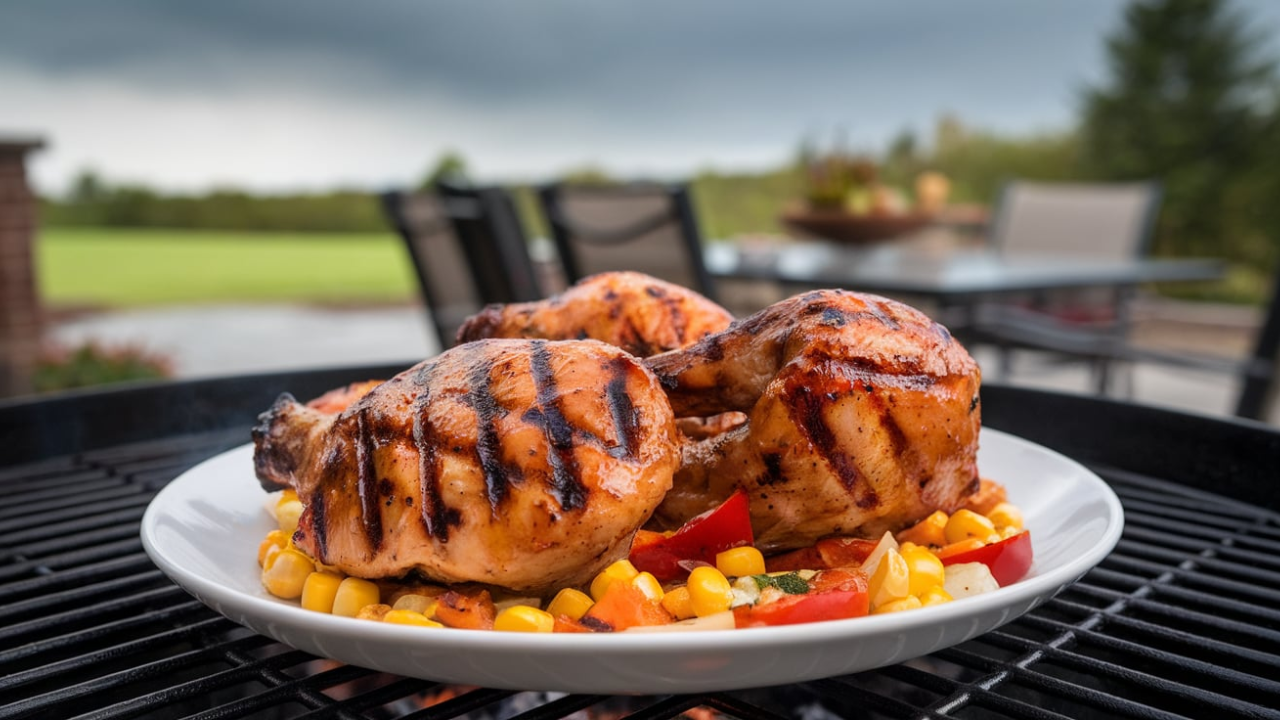
Grilled BBQ chicken isn’t just a recipe—it’s a summer anthem, a backyard gathering centerpiece, and a smell that can make your neighbor “just happen” to walk by at dinner time. The beauty of it lies in its simplicity: juicy chicken, smoky char, and tangy-sweet sauce caramelized to perfection. But getting it right is trickier than most people think. Undercook it, and you risk raw poultry nightmares. Overcook it, and you’re left with dry, chewy meat that needs a gallon of lemonade to swallow.
This guide will walk you through every single detail—from picking the right chicken cut to getting the grill temperature perfect, to layering on that BBQ sauce without burning it. If you follow this step-by-step approach, you’ll make grilled BBQ chicken so good people will think you went to culinary school… or that you secretly hired a pitmaster.
Choosing the Right Chicken Cut
The type of chicken you start with makes a big difference in cooking time, texture, and flavor.
Bone-in, skin-on pieces are often the best for grilling because the skin adds flavor and protects the meat from drying out. The bone also helps regulate temperature during cooking, making it harder to overcook.
Here’s a breakdown of your options:
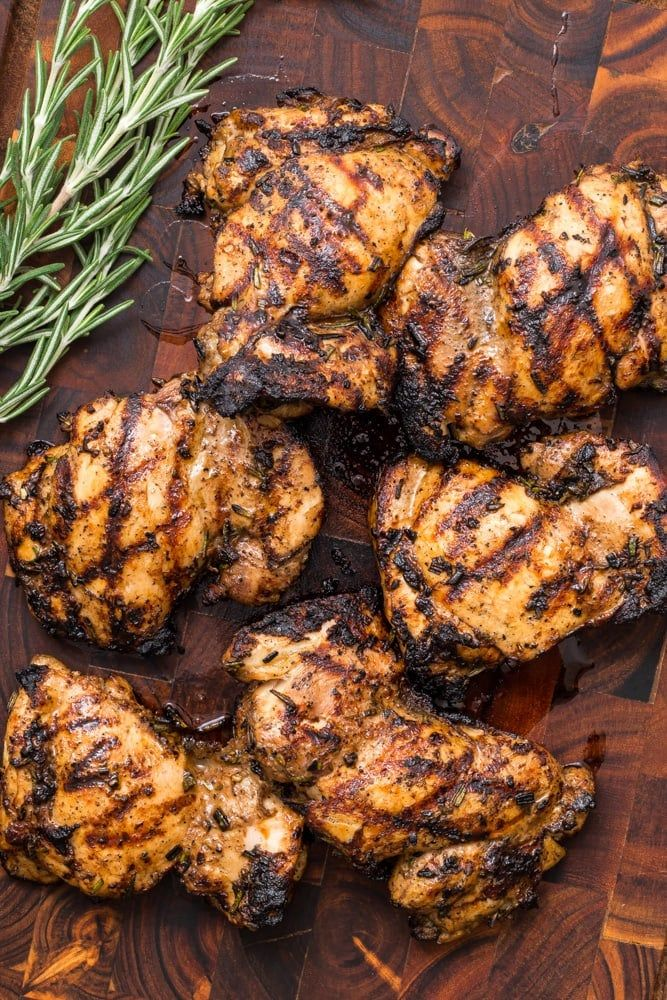
- Bone-In Thighs – Juicy, flavorful, and forgiving if you overcook slightly. Perfect for BBQ.
- Bone-In Drumsticks – Great for handheld eating and cook fairly quickly.
- Bone-In Breasts – Leaner but can dry out easily if you’re not careful.
- Whole Leg Quarters – Impressive presentation and lots of flavor.
- Boneless Skinless Breasts – Faster cooking, but easy to overcook; best for quick grilling.
Pro Tip: If you want the most flavor, go for thighs or leg quarters. According to USDA data, chicken thighs contain around 9% fat compared to 3% in breasts, which means more juiciness and flavor during grilling.
Prepping the Chicken
Before the chicken ever hits the grill, the prep work determines half the battle.
- Trim excess fat or skin so it doesn’t cause flare-ups.
- Pat dry with paper towels to help the skin crisp up. Moisture is the enemy of browning.
- Season generously—don’t be shy. Meat that’s under-seasoned before cooking will taste bland no matter how good your sauce is later.
A good base seasoning mix could be:
- 2 tbsp kosher salt
- 1 tbsp black pepper
- 1 tbsp smoked paprika
- 1 tsp garlic powder
- 1 tsp onion powder
- 1 tsp cayenne (optional for heat)
Rub this mix into the chicken and let it sit for at least 30 minutes at room temperature or up to 12 hours in the fridge.
The Secret of Brining
If you want chicken that’s juicy all the way through, brining is your insurance policy. Brining helps the meat absorb moisture and salt, meaning that even if you accidentally overcook it a little, it stays tender.
Simple Wet Brine Recipe (for 3–4 lbs chicken):

- 8 cups cold water
- 1/3 cup kosher salt
- 1/4 cup sugar (balances flavor)
- Optional: bay leaves, peppercorns, garlic cloves
Submerge chicken in brine for 4–6 hours (bone-in pieces) or 2–3 hours (boneless). Rinse lightly and pat dry before seasoning.
Choosing Your BBQ Sauce
Not all BBQ sauces are created equal. The wrong sauce can make your chicken too sweet, too tangy, or can burn before the chicken is fully cooked.
Main BBQ sauce styles:

- Kansas City Style – Thick, sweet, and smoky (tomato + molasses base).
- Carolina Style – Vinegar-forward and tangy, great for cutting through rich meat.
- Alabama White Sauce – Mayo-based, tangy, and unique.
- Texas Style – Less sweet, more peppery and tomato-heavy.
If you’re cooking over direct heat, avoid high-sugar sauces until the end—they burn quickly. Apply them during the last 5–10 minutes of cooking for a perfect glaze.
Setting Up the Grill
Whether you’re using charcoal or gas, the setup determines the flavor and cooking control.
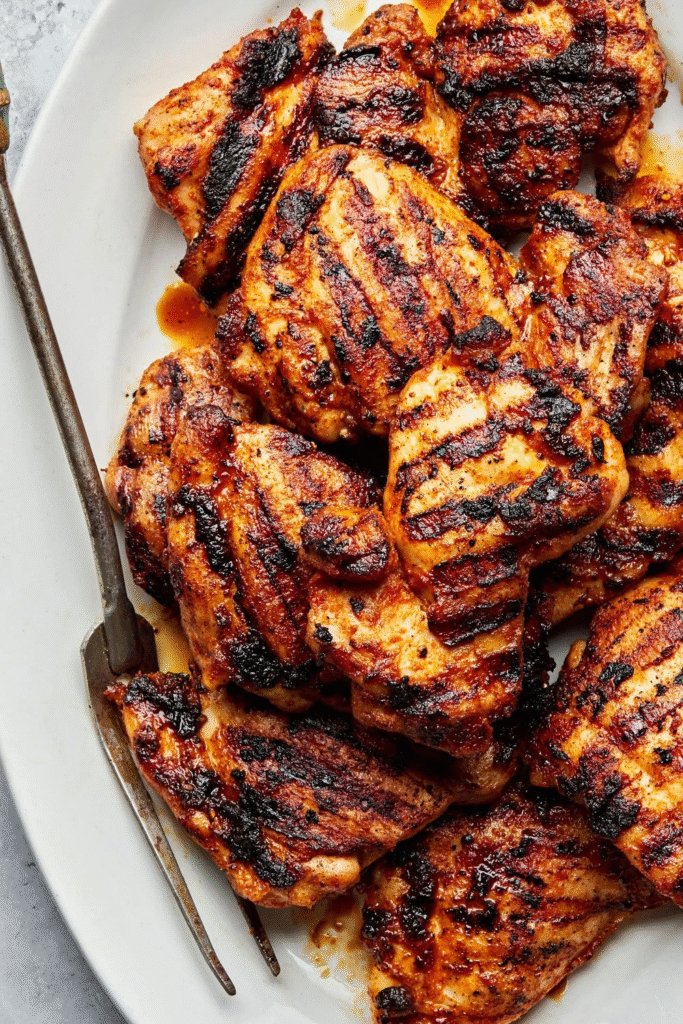
Charcoal Grill Setup:
- Bank coals to one side for two-zone cooking (one side hot, one side cooler).
- Use hardwood chunks like hickory, applewood, or cherry for extra smoke.
- Ideal grill temp: 350–375°F for bone-in pieces.
Gas Grill Setup:
- Preheat all burners on high, then turn one side to low for indirect heat.
- Place chicken on the cooler side first, then finish over the hot side.
Pro Tip: Always have a safe “cool zone” on the grill where you can move chicken if flare-ups happen.
Cooking Times and Temperatures
The key to perfect grilled BBQ chicken is cooking low and slow at first, then finishing hot.
General Cooking Guide:
- Bone-In Thighs: 35–40 minutes
- Drumsticks: 30–35 minutes
- Bone-In Breasts: 30–40 minutes
- Boneless Breasts: 12–15 minutes
Internal Temperature Targets:
- USDA recommends 165°F for chicken, but thighs taste juicier at 170–175°F.
- Always use a digital thermometer—guessing leads to dry chicken or raw centers.
Layering the BBQ Sauce
This is where the magic happens. Don’t just slather sauce from the start—you’ll end up with a blackened, bitter crust.
The Layering Method:
- Cook chicken until it’s within 5–7 minutes of being done.
- Brush on the first layer of sauce. Let it caramelize for 2–3 minutes.
- Flip, add another layer, and cook 2–3 minutes more.
- Apply one final light coat right before serving.
This creates a deep, sticky glaze that clings to the chicken without burning.
Smoke for Extra Depth
Even if you’re on a gas grill, you can add smoke for more flavor. Use a smoker box or wrap wood chips in foil with holes poked in. Place it over a burner and let it smolder.
Best woods for BBQ chicken:
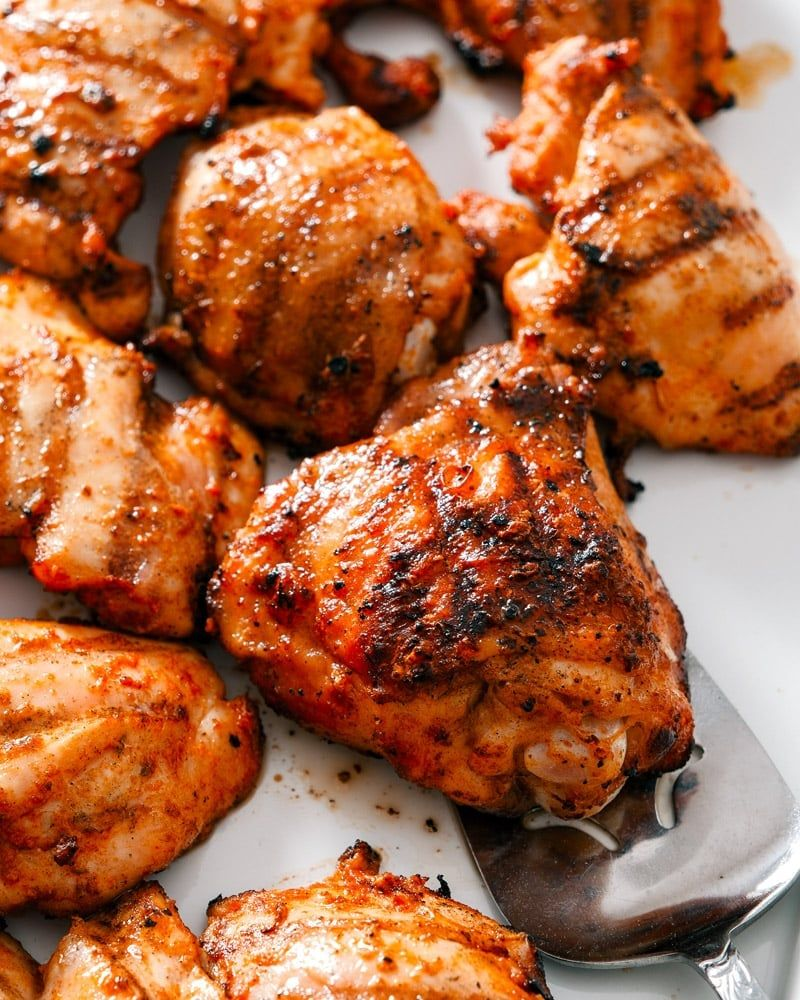
- Applewood – Mild and sweet
- Cherry – Fruity and rich color
- Hickory – Strong and smoky (use sparingly)
- Pecan – Nutty and balanced
Resting the Chicken
Don’t skip this step. Resting allows the juices to redistribute, keeping your chicken moist. Tent loosely with foil for 5–10 minutes before serving.
Common Mistakes to Avoid
- Adding sauce too early – It will burn before the chicken cooks.
- Cooking only over direct heat – The outside will char before the inside cooks through.
- Not using a thermometer – Leads to overcooking or undercooking.
- Skipping the seasoning – BBQ sauce alone can’t carry all the flavor.
Serving Ideas
Grilled BBQ chicken is versatile. Serve it with:
- Corn on the cob brushed with butter and herbs
- Coleslaw for a refreshing crunch
- Potato salad or baked beans for a hearty side
- Grilled vegetables for balance
Nutritional Facts
Based on a medium bone-in thigh with skin and 1 tbsp BBQ sauce:
- Calories: ~210
- Protein: 20g
- Fat: 13g
- Carbs: 7g
- Sugar: 5g
If you use skinless meat and a low-sugar sauce, you can cut calories and sugar significantly.
Final Thought
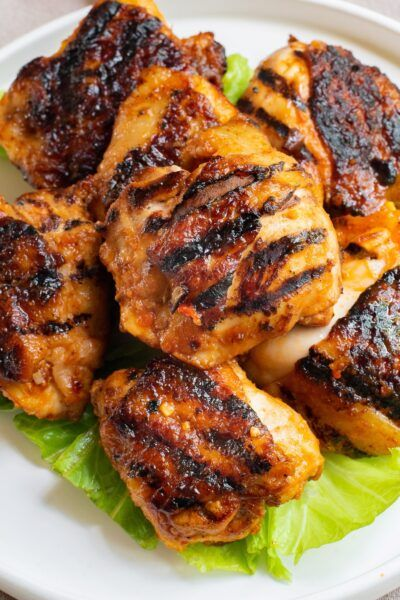
Making perfect grilled BBQ chicken comes down to patience, temperature control, and knowing when to bring in the sauce. The slow indirect heat cooks it gently, and the final sear locks in that smoky, sticky perfection. Once you’ve nailed this method, you’ll find yourself making it year-round—yes, even in winter if you’re willing to bundle up.