There’s something magical about figs. They’re not your everyday fruit—figs are like little edible treasures wrapped in nature’s finest packaging. And when turned into fig jam, they become a sweet, rich, versatile spread that feels both rustic and gourmet at the same time.
If you’ve ever spread fig jam over warm toast, paired it with a salty cheese, or glazed it over roasted chicken, you know it’s not just jam—it’s an experience. Today, I’ll walk you through everything you need to know to make the perfect fig jam recipe at home, in a way that’s easy, delicious, and deeply satisfying.
Why Fig Jam Is So Special
Figs are unlike most fruits. For one, they’re technically not even fruits—they’re inverted flowers (yes, wild!). They also pack a natural sweetness that makes them perfect for jam without requiring too much extra sugar.
Nutrition-wise, figs are powerhouses:
- A 100g serving of figs has about 74 calories, making them light yet indulgent.
- They’re rich in dietary fiber, which helps digestion.
- Packed with potassium, calcium, magnesium, and antioxidants, figs give jam more than just flavor—it’s a health boost in a jar.
And here’s the kicker: store-bought fig jam often costs 3–5 times more than other jams because figs are delicate, seasonal, and feel gourmet. But when you make it at home, you get luxury jam at budget pricing.
Choosing the Right Figs
Here’s the secret: the better the figs, the better your jam.
There are over 700 varieties of figs in the world, but the most common ones you’ll find are:
- Black Mission Figs – Dark purple, sweet, and rich. Perfect for a deep, intense jam.
- Brown Turkey Figs – Mild, less sweet, and versatile. Good for savory pairings.
- Kadota Figs – Light green skin, less sweet, more honey-like. Great for a subtle jam.
- Adriatic Figs – Bright green skin, pale flesh, very sweet. Often used in fig bars.
Tip from my kitchen: If you want that luxurious, almost caramel-like taste, go for Black Mission figs. If you’re experimenting with savory pairings, Brown Turkey figs give you flexibility.
And don’t stress if your figs are a little soft or bruised—jam loves “imperfect” fruit.
Ingredients You’ll Need
Here’s the classic, foolproof fig jam recipe base.
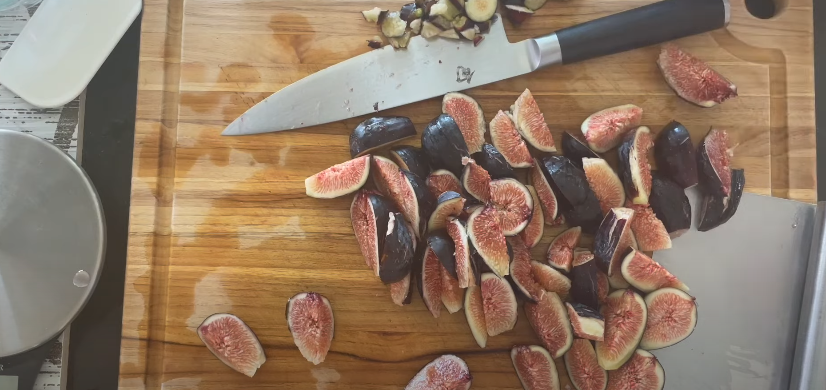
- 2 pounds fresh figs (about 8–10 cups, stems removed, chopped)
- 1 ½ cups granulated sugar (you can adjust down to 1 cup if your figs are super sweet)
- 2 tablespoons lemon juice (balances sweetness, helps preserve)
- 1 tablespoon lemon zest (optional, but adds brightness)
- ½ cup water (to help break down figs in cooking)
Optional add-ins for personality:
- A splash of balsamic vinegar for depth
- A pinch of cinnamon or nutmeg for warmth
- A drizzle of honey for natural sweetness
- Fresh rosemary or thyme sprig if you like a savory edge
Step-by-Step: Making Fig Jam
This recipe is straightforward, and you’ll have luscious jam in less than an hour.
Step 1: Prep the figs.
Wash figs well, trim off stems, and chop into quarters. You don’t need to peel them—the skins add flavor, texture, and natural pectin.
Step 2: Combine in pot.
In a large saucepan, combine figs, sugar, lemon juice, zest, and water. Stir until figs start to release their juices.
Step 3: Simmer gently.
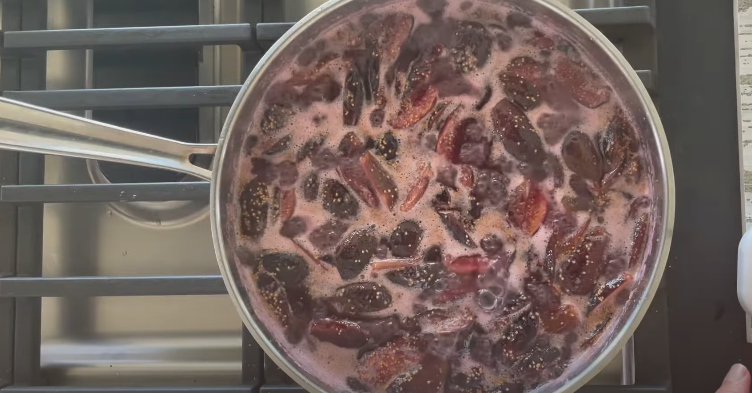
Bring mixture to a boil over medium heat, then reduce to a simmer. Stir occasionally so it doesn’t stick or burn. Cook for about 35–45 minutes, until figs break down into a jammy consistency.
Step 4: Mash or blend.
For chunky jam, mash with a potato masher. For smooth jam, use an immersion blender right in the pot.
Step 5: Test the thickness.
Place a spoonful of jam on a cold plate. If it holds shape without running, it’s ready. If not, cook another 5 minutes.
Step 6: Jar it.
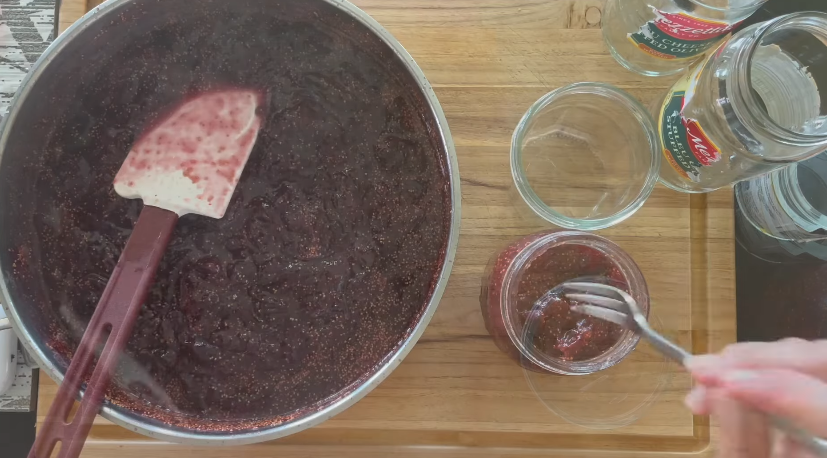
Spoon hot jam into sterilized jars, leaving ¼-inch headspace. Seal tightly. If storing long-term, process in a boiling water bath for 10 minutes. Otherwise, refrigerate for up to 3 weeks.
The Science Behind Perfect Fig Jam
Making jam isn’t just cooking—it’s kitchen chemistry.
- Sugar doesn’t just sweeten; it preserves and thickens by binding with water molecules.
- Lemon juice provides acidity to balance figs’ sweetness and activates pectin (the natural thickener).
- Figs are naturally high in pectin, so you don’t need commercial pectin. But if you like a firmer jam, you can add 1 tablespoon powdered pectin during cooking.
Think of it like this: figs are the main singer, sugar is the backup vocalist, and lemon juice is the sound engineer making sure it all comes together harmoniously.
Creative Ways to Use Fig Jam
Sure, fig jam on toast is heavenly—but why stop there? Here are some clever uses:
- Cheese board essential – Pair with brie, goat cheese, or aged cheddar.
- Glaze for meats – Brush onto chicken, pork, or lamb before roasting.
- Sandwich upgrade – Spread on a turkey or ham sandwich instead of mayo.
- Pastry filling – Use in croissants, turnovers, or thumbprint cookies.
- Pizza topping – Drizzle over a prosciutto and arugula pizza.
- Breakfast boost – Stir into oatmeal or yogurt.
- Cocktail enhancer – Mix a spoonful into bourbon or gin cocktails for a fruity twist.
Storage and Shelf Life
Homemade fig jam lasts about 3 weeks in the refrigerator if sealed well.
For long-term storage:
- Process sealed jars in boiling water for 10 minutes.
- Properly canned jam lasts up to 12 months in a cool, dark pantry.
Once opened, refrigerate and use within 2–3 weeks.
Fun Facts About Figs
Here’s some table-talk trivia for when you serve your fig jam:
- Figs were one of the first cultivated plants—evidence goes back 11,000 years in the Jordan Valley.
- Ancient Egyptians loved figs so much, they placed them in tombs for the afterlife.
- A single fig tree can produce 20,000 figs per year. Imagine all that jam!
- Figs are considered a symbol of prosperity and abundance in many cultures.
Troubleshooting Common Fig Jam Problems
Even experienced home cooks can hit snags. Here’s how to fix them:
- Jam too runny? Cook longer to reduce water. Or add a tablespoon of chia seeds—they thicken naturally.
- Jam too thick? Stir in a splash of warm water while cooking.
- Too sweet? Add more lemon juice or a splash of balsamic vinegar.
- Too tart? Drizzle in honey or add an extra spoon of sugar.
Why You’ll Fall in Love with Homemade Fig Jam
Making jam is more than cooking—it’s a ritual. There’s something grounding about stirring a bubbling pot, tasting as it thickens, and bottling up jars of sweetness you made yourself.
Homemade fig jam tastes fresher, richer, and more vibrant than anything store-bought. And the best part? You control everything: sweetness, texture, flavors.
I remember the first time I made fig jam—I had a basket of figs that were ripening faster than I could eat. Instead of letting them go to waste, I simmered them down with sugar and lemon, and suddenly I had a jar of sunshine sitting on my counter. That one jar didn’t even last a week.
Final Thoughts
Whether you’re new to jam-making or an old pro, fig jam is one of the easiest and most rewarding recipes you’ll ever try. It’s quick, requires minimal ingredients, and delivers maximum flavor.
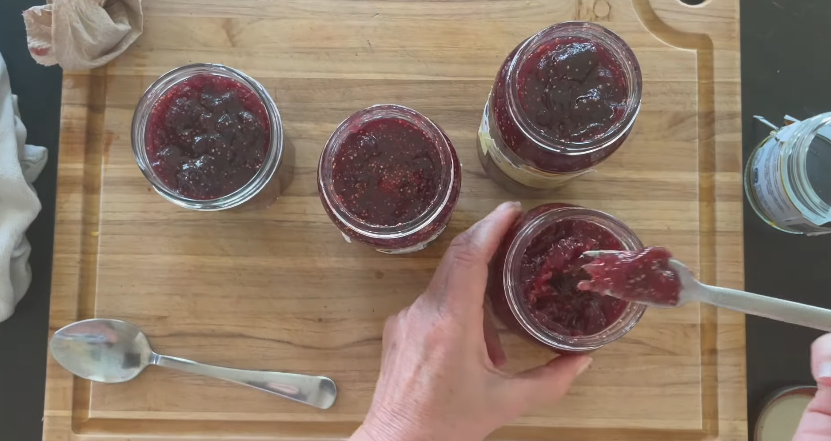
The next time you see figs at the market—don’t just grab a handful, grab a basket. Because once you make this jam, you’ll find yourself reaching for it constantly: spreading, glazing, spooning, and maybe even sneaking a taste straight from the jar.