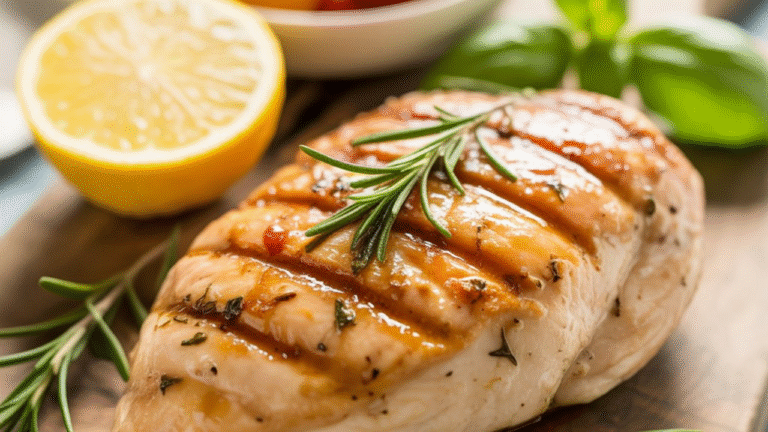
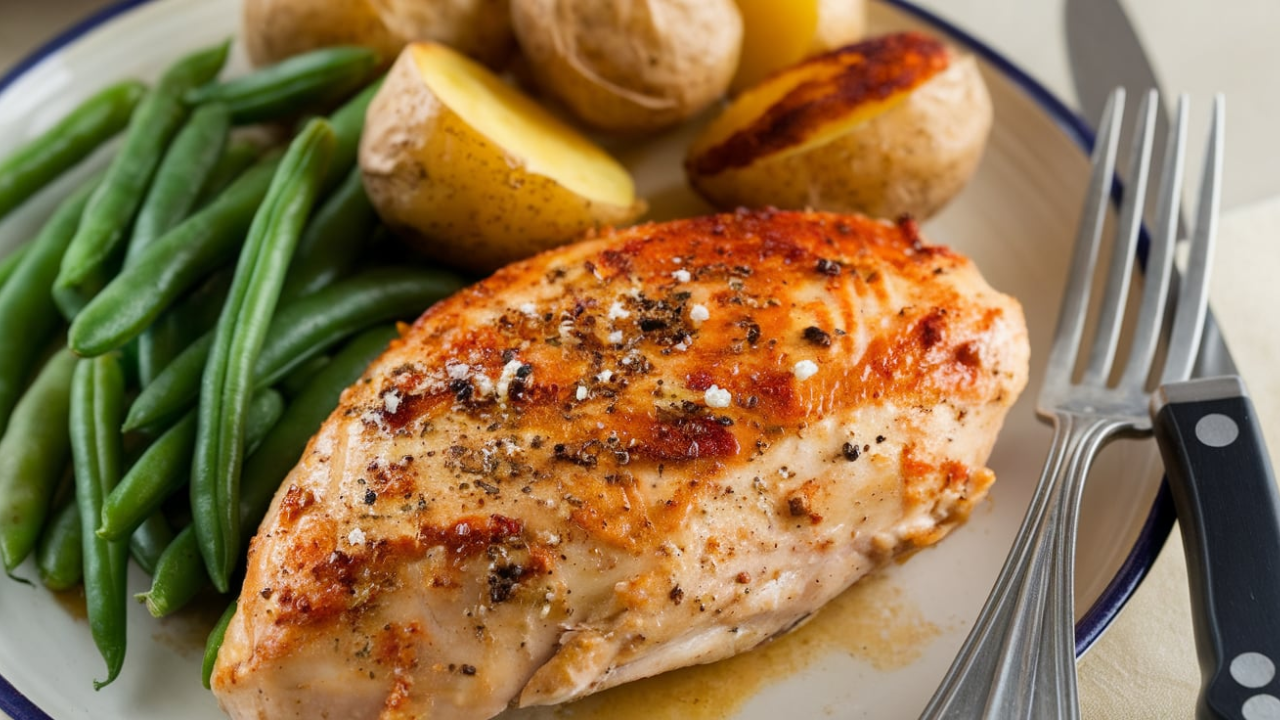
Baking chicken breasts that come out juicy, flavorful, and never dry is a game of small wins. It’s not complicated, but it’s easy to mess up—ask anyone who’s gnawed through a sawdust-dry piece of chicken. I’ve burned, overbaked, under-seasoned, and forgotten to marinate too many times to count.
But after dozens of tweaks and tests, I’ve nailed down a handful of foolproof methods that deliver tender, perfectly baked chicken breasts every single time. Let’s break it down, no fluff, just pure chicken wisdom.
Why Chicken Breast Is the Most Popular Protein in America
Chicken breast is the most consumed lean meat in the U.S. and many other parts of the world. According to the USDA, Americans eat over 97 pounds of chicken per person each year, and a large portion of that is boneless, skinless chicken breast. Why?
It’s high in protein (about 26g per 3 oz serving), low in fat, and incredibly versatile. But here’s the catch: it’s also not forgiving. There’s no skin to protect it, and once it crosses into overcooked territory, it’s done—game over.
So learning to bake it perfectly? That’s your secret weapon.
Start With the Right Chicken Breast
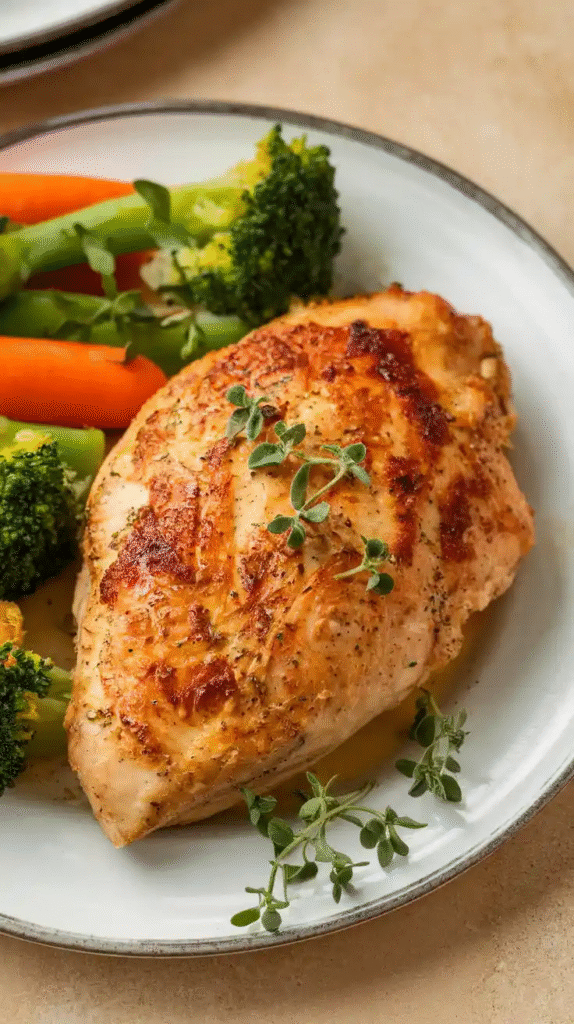
Before you even touch your oven dial, the kind of chicken you use matters. Let’s talk about three key things: thickness, quality, and freshness.
- Even thickness = even cooking. Thicker chicken breasts cook unevenly. The outside dries out before the center hits a safe internal temperature of 165°F. If your chicken breast is thick at one end and thin at the other, slice it horizontally or pound it gently with a rolling pin until it’s about ¾ inch thick all over.
- Buy high-quality chicken. Factory-farmed chicken tends to retain water (some is even “plumped” with a saline solution). Go for organic, free-range if your budget allows. The flavor and texture payoff is noticeable.
- Fresh over frozen. Yes, frozen works in a pinch, but fresh has better texture. If you’re using frozen, thaw it completely in the fridge overnight and pat it dry before seasoning.
Brining Makes a Massive Difference
Want juiciness locked in before you even season it? Brine it. Just 15 minutes in a quick saltwater bath changes everything.
Here’s a quick brine ratio:
- 4 cups water
- 1 tablespoon salt
Stir to dissolve the salt, drop in your chicken, cover, and refrigerate for 15–30 minutes. Rinse and pat dry before seasoning. The salt starts tenderizing the meat and helps it retain moisture during baking.
Brining isn’t optional if you’ve got dry chicken PTSD. It’s your insurance policy against bland, dry bites.
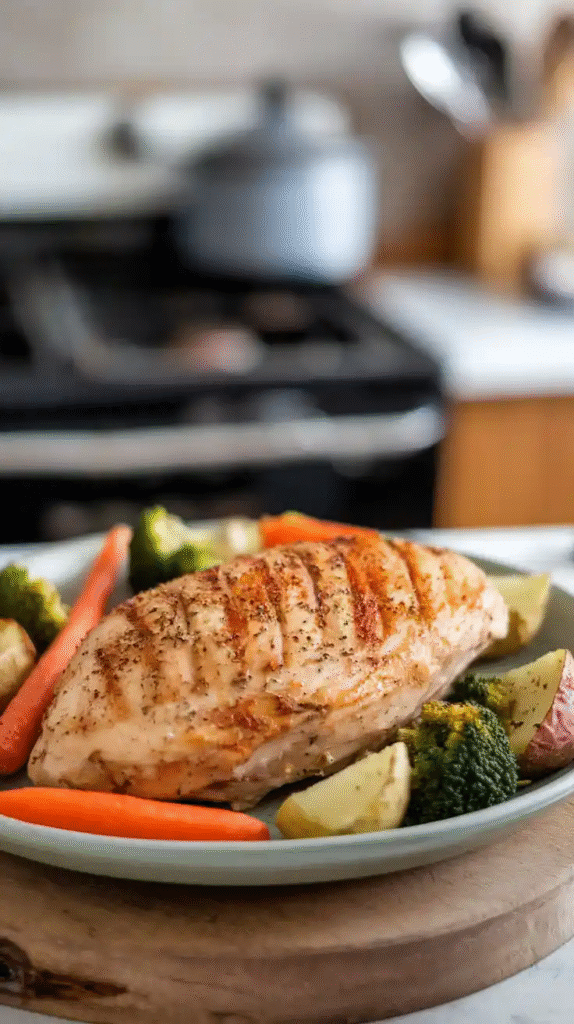
The Magic of Marinades
A good marinade can elevate plain chicken into “how-did-you-make-this” territory. But here’s the secret: it’s not just about flavor—it’s about chemistry.
Use this basic marinade structure:
- Acid (like lemon juice, vinegar, yogurt) to break down proteins
- Oil (olive, avocado) to lock in moisture
- Flavorings (garlic, herbs, soy sauce, spices) to bring the personality
Here’s a go-to recipe I use constantly:
Garlic Herb Chicken Marinade
- ¼ cup olive oil
- 2 tbsp lemon juice
- 2 garlic cloves, minced
- 1 tsp dried oregano
- ½ tsp paprika
- Salt and pepper
Marinate for 30 minutes to 4 hours. More than that, and the acid can make the texture mushy.
Season Like You Mean It
Don’t go shy with the seasoning. Chicken breast is a blank canvas—it needs color. A sprinkle of salt and pepper won’t cut it alone. Use a dry rub or spice mix, or combine a marinade with a finishing seasoning.
Try this:
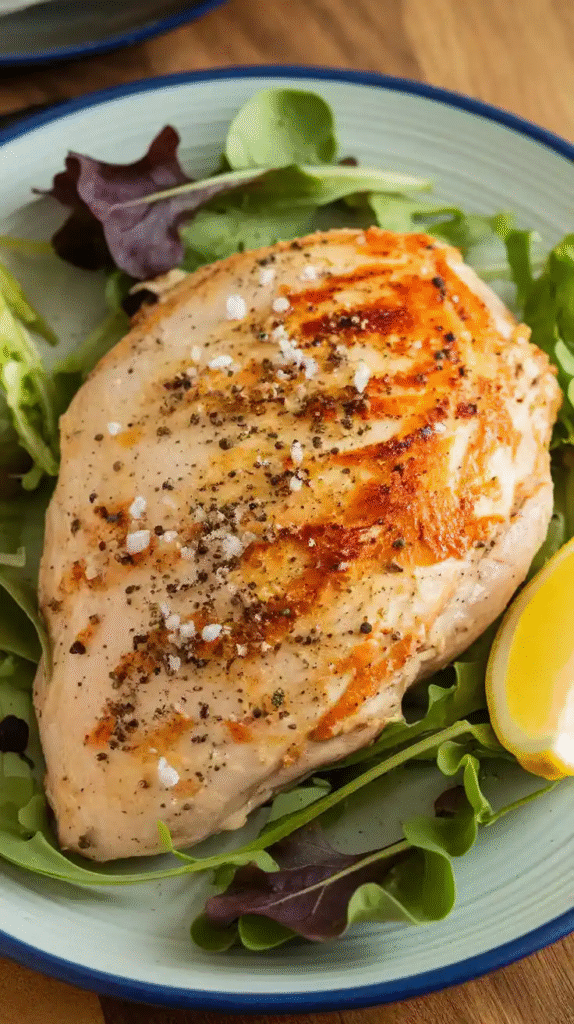
- 1 tsp smoked paprika
- 1 tsp garlic powder
- ½ tsp onion powder
- ½ tsp dried thyme
- Salt and pepper to taste
Rub it all over the chicken, even under any loose edges. Make it look like it’s been hugged by flavor.
Use a Hot Oven—But Not Too Hot
Here’s the temperature sweet spot: 425°F (218°C).
Why not 350°F like all the old-school recipes say? Because a higher temp:
- Seals in juices by cooking faster
- Creates light browning and better texture
- Prevents rubbery results
Bake uncovered in a preheated oven for 18–22 minutes, depending on the thickness. Always use a meat thermometer. You’re looking for an internal temp of 165°F at the thickest part.
And don’t skip the resting step. Pull it from the oven, tent it with foil, and wait 5–10 minutes. That’s when the juices redistribute. Slice too soon and you’ll lose all that magic.
My Go-To Baked Chicken Breast Recipe
This recipe has never failed me, even when I’m distracted, multitasking, or cooking while answering emails.
Ingredients:
- 2 boneless, skinless chicken breasts
- 1 tbsp olive oil
- 1 tsp paprika
- 1 tsp garlic powder
- ½ tsp salt
- ½ tsp black pepper
- ½ tsp dried thyme
Instructions:
- Preheat oven to 425°F.
- Flatten chicken to even thickness.
- Pat dry with paper towels.
- Rub with olive oil and season with spice mix on both sides.
- Place in a greased baking dish or sheet pan.
- Bake for 18–22 minutes, depending on size.
- Use a thermometer to ensure 165°F at the thickest point.
- Rest for 5–10 minutes before slicing.
Serve with roasted veggies, over rice, chopped in salads, or meal-prep it for the week. This one goes with everything.
Flavor Variations That Actually Work
After mastering the base recipe, try these easy twists:
1. Lemon Pepper Chicken
- Add lemon zest, juice, and cracked black pepper
- Finish with fresh parsley
2. BBQ Chicken
- Slather with your favorite BBQ sauce in the last 5 minutes
- Bake uncovered to caramelize
3. Italian Herb
- Use Italian seasoning, garlic, and grated parmesan before baking
- Add cherry tomatoes in the same pan
4. Spicy Honey Garlic
- Mix 1 tbsp honey, 1 tsp sriracha, and 1 tsp garlic
- Brush on after seasoning
You’ll never get bored.
The Importance of a Meat Thermometer
If you don’t have one, get one. Seriously. It costs less than $15 and it’ll save you from playing the dangerous game of “is it done yet?”
Chicken must hit 165°F internally to be safe. But pull it at 162°F, tent with foil, and let carryover cooking bring it the rest of the way without drying it out.
Guessing doesn’t work. Clear juices aren’t reliable. Just trust the thermometer.
What to Serve with Baked Chicken Breast
Pairing baked chicken with the right sides makes it a full, satisfying meal. Here are a few of my go-to pairings:
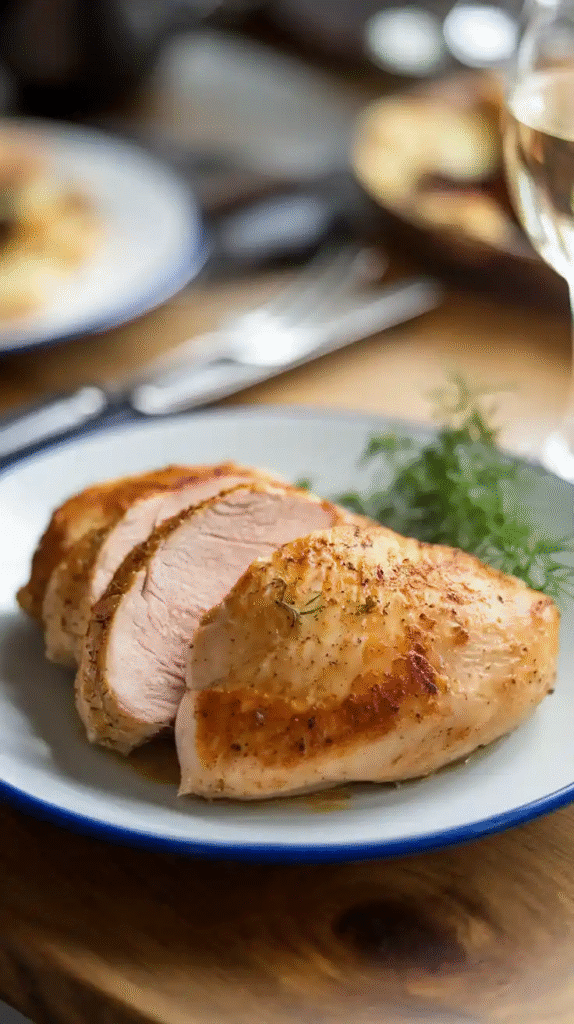
- Roasted vegetables (broccoli, carrots, Brussels sprouts)
- Quinoa or brown rice with fresh herbs
- Cauliflower mash or garlic mashed potatoes
- Zucchini noodles for low-carb days
- Avocado corn salad for a fresh bite
Storing and Reheating Without Ruining It
Make extra. Always. Baked chicken breasts store beautifully for quick meals.
Storage Tips:
- Cool completely before storing
- Refrigerate in an airtight container for up to 4 days
- Freeze for up to 2 months, individually wrapped
Reheat the right way:
- Microwave: Cover with damp paper towel, heat in 30-sec bursts
- Oven: Wrap in foil, reheat at 300°F for 10–15 minutes
- Skillet: Sauté with a splash of broth for moisture
Avoid overcooking during reheating. It’s already cooked—don’t send it into retirement dry and rubbery.
Chicken Breast Meal Prep Ideas
I meal prep with baked chicken weekly. It’s the blank canvas you can remix all week long. Here’s how I do it:
Meal 1: Chicken Rice Bowls
- Baked chicken, brown rice, sautéed spinach, tahini drizzle
Meal 2: Chicken Salad Wraps
- Chopped chicken, Greek yogurt, celery, walnuts in a whole grain wrap
Meal 3: Pasta with Pesto Chicken
- Sliced chicken tossed into whole-wheat pasta with basil pesto
Meal 4: Tex-Mex Quesadillas
- Chicken, cheese, black beans in tortillas with salsa and avocado
Meal 5: Power Salad
- Chicken, arugula, feta, roasted sweet potato, balsamic vinaigrette
Cook once, eat all week like a kitchen ninja.
Final Thoughts: Don’t Fear the Chicken Breast
If you’ve avoided baking chicken breasts because they always turned out dry, tough, or bland—don’t give up. With just a few changes—brining, seasoning well, baking at the right temp, and using a thermometer—you’ll start turning out juicy, flavorful chicken every time.
And when it’s right, it’s right. It’s the kind of chicken you’d happily eat on its own, without sauce, without apologies. I’ve been there—standing over the cutting board, sneaking slices before dinner’s even served, wondering why I didn’t figure this out sooner.
Now you’ve got the tools. Trust them. Your future chicken dinners will thank you.