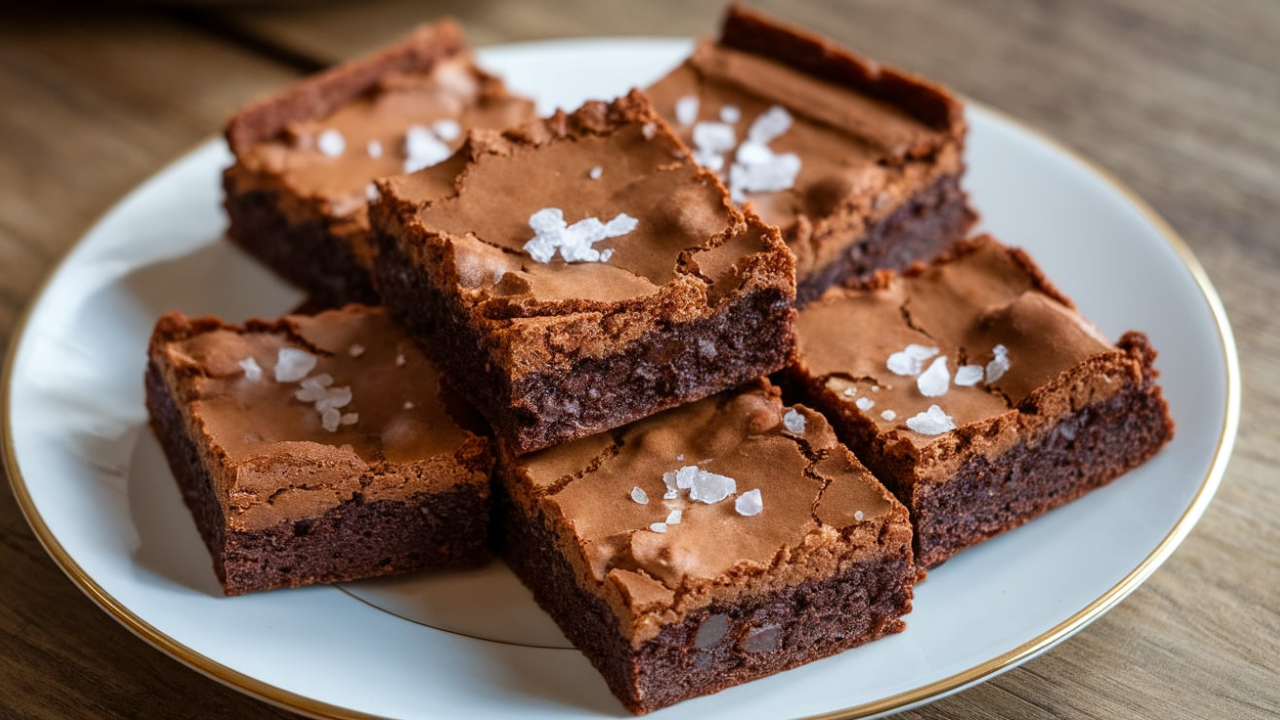
If you’ve ever bitten into a brownie that was too cakey, too dry, or just didn’t live up to the hype, you already know how disappointing it can be. Chewy brownies are the gold standard for brownie lovers — dense, rich, slightly gooey, but with enough structure to hold their shape when you lift them from the pan. And making them isn’t rocket science — it’s about understanding the science of baking and making a few intentional choices that push your brownies from “just fine” to mind-blowing.
In this guide, we’ll go step-by-step into exactly how to make the best ever chewy brownies. I’ll cover everything — from ingredient science to baking techniques, storage tips, and even common mistakes that sabotage that perfect chewy texture. You’ll get recipes, pro tips, and a sprinkle of personal baking stories I’ve learned from years of brownie experiments.
Why Chewy Brownies Stand Out
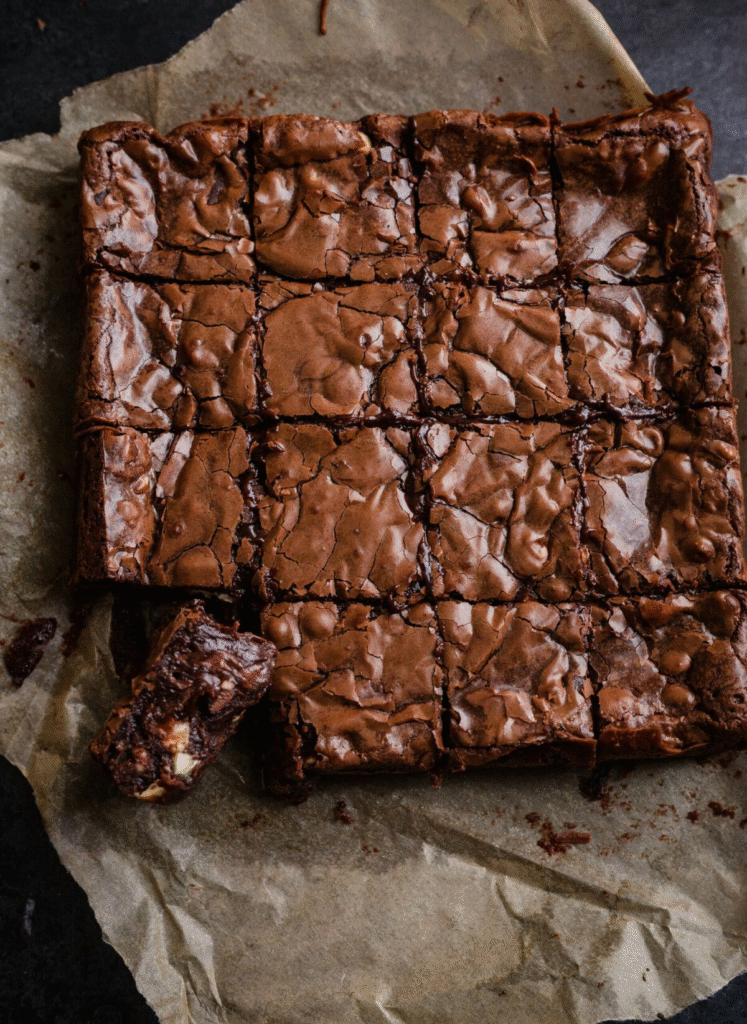
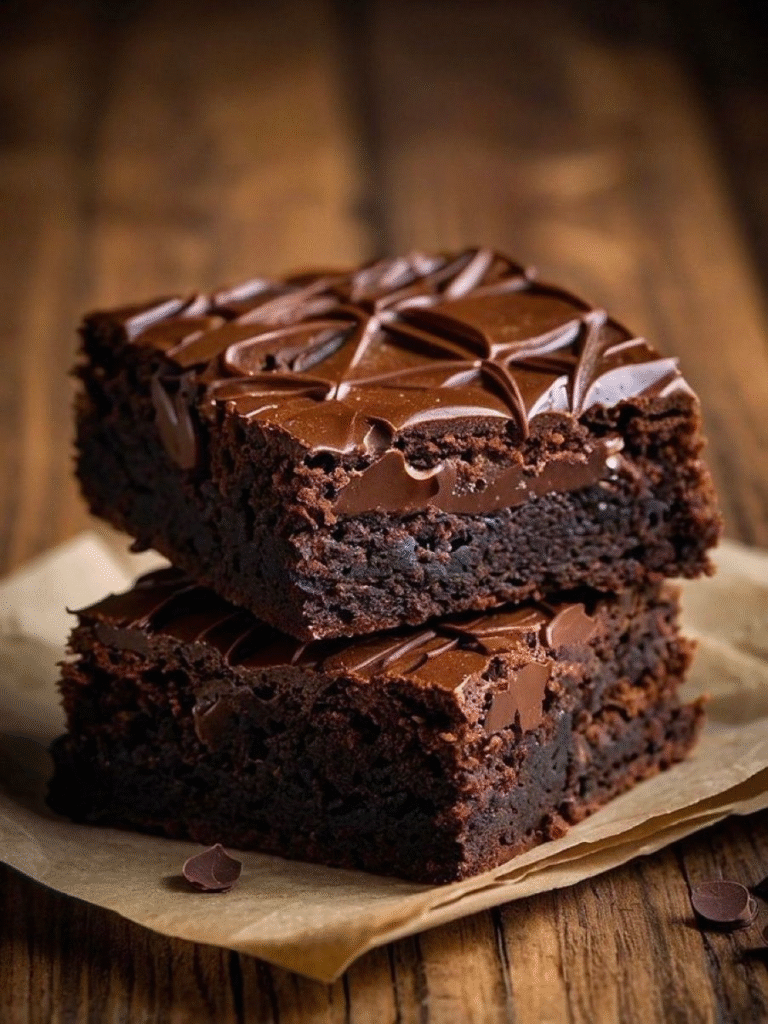
Chewy brownies hit the sweet spot between fudgy and cakey. They’re richer than a cake but not as dense as pure fudge. What makes them special is the balance — a slightly crisp top layer that gives way to a moist, dense interior.
Here’s what defines a perfect chewy brownie:
- Shiny, crackly top from properly beaten eggs and sugar.
- Dense interior with a firm bite, not airy or fluffy.
- Moist crumb that stays tender for days.
- Balanced sweetness so you can eat more than one without feeling overwhelmed.
A survey by YouGov in 2023 found that 71% of brownie lovers prefer chewy over cakey. It’s the texture most associated with nostalgic, homemade brownies — the kind your friend’s mom baked when you were a kid and you still think about.
The Science of Chewiness
Chewiness in brownies is the result of ingredient ratios and mixing methods.
Key factors:
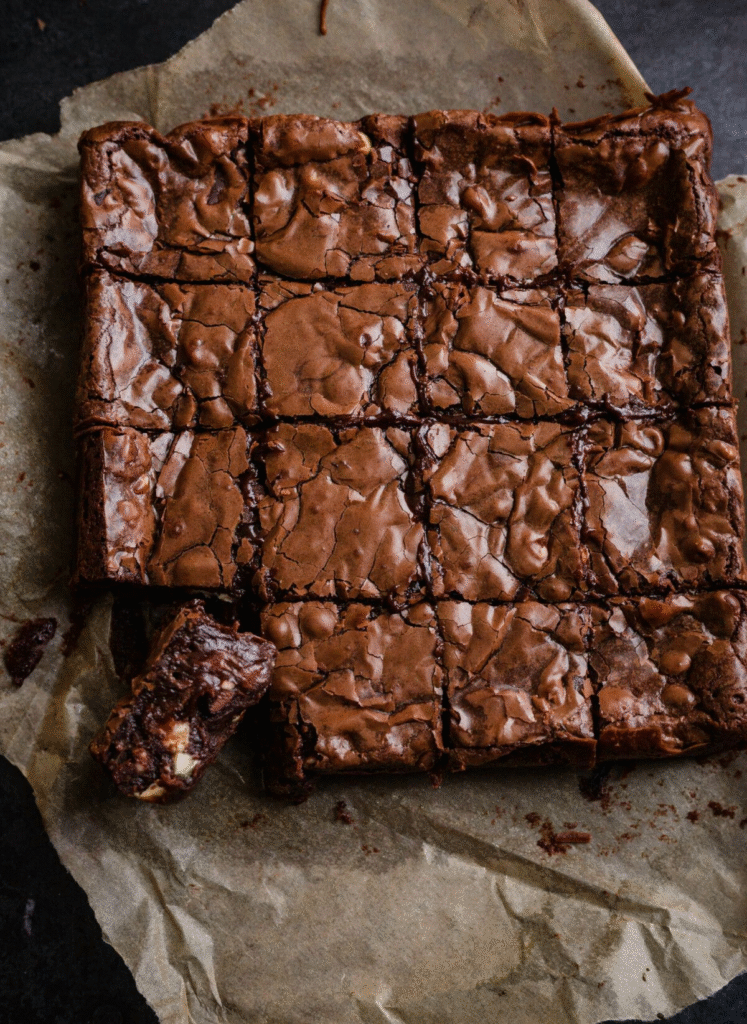
- Fat-to-flour ratio – More fat (butter or oil) = denser, moister brownies. But for chewiness, you need a balanced ratio, not too much fat or they turn greasy.
- Sugar type and amount – Granulated sugar helps create that shiny top and adds structure. Brown sugar adds moisture and chewiness thanks to its molasses content.
- Egg structure – Eggs bind ingredients and add stability. More eggs = more structure, fewer eggs = more fudginess.
- Cocoa vs. melted chocolate – Cocoa powder intensifies flavor and keeps brownies chewy without making them overly soft, while melted chocolate adds richness.
- Mixing method – Overmixing after adding flour develops gluten, making brownies tough. Gentle folding is key.
Think of brownies like culinary architecture: your fats are the foundation, your sugar is the framework, eggs are the mortar, and flour is the structure. Mess up the ratio, and your brownie “building” collapses.
Ingredients Breakdown – What Each Does
Let’s break down the essential ingredients for chewy brownies and why they matter.
Butter
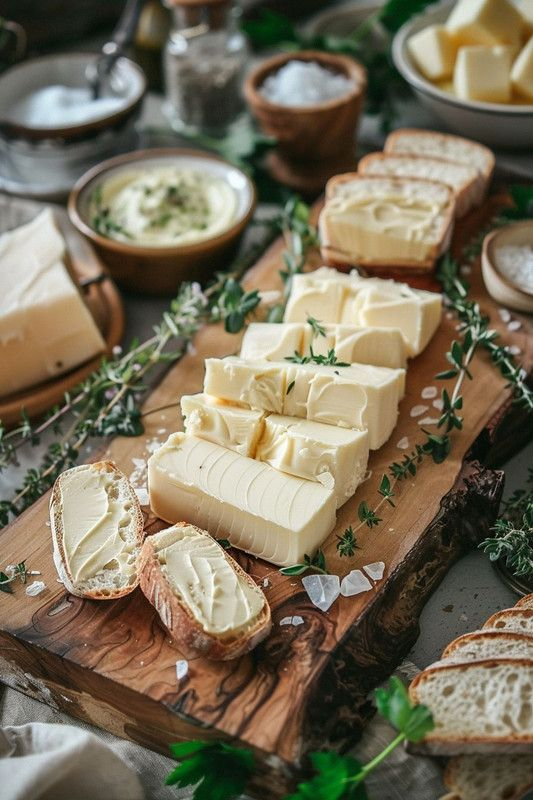
- Role: Adds flavor and richness, contributes to chewiness when used with the right sugar ratio.
- Tip: Melted butter leads to denser brownies; creamed butter incorporates more air, making them cakier.
- Best choice: Unsalted butter so you control the salt level.
Oil
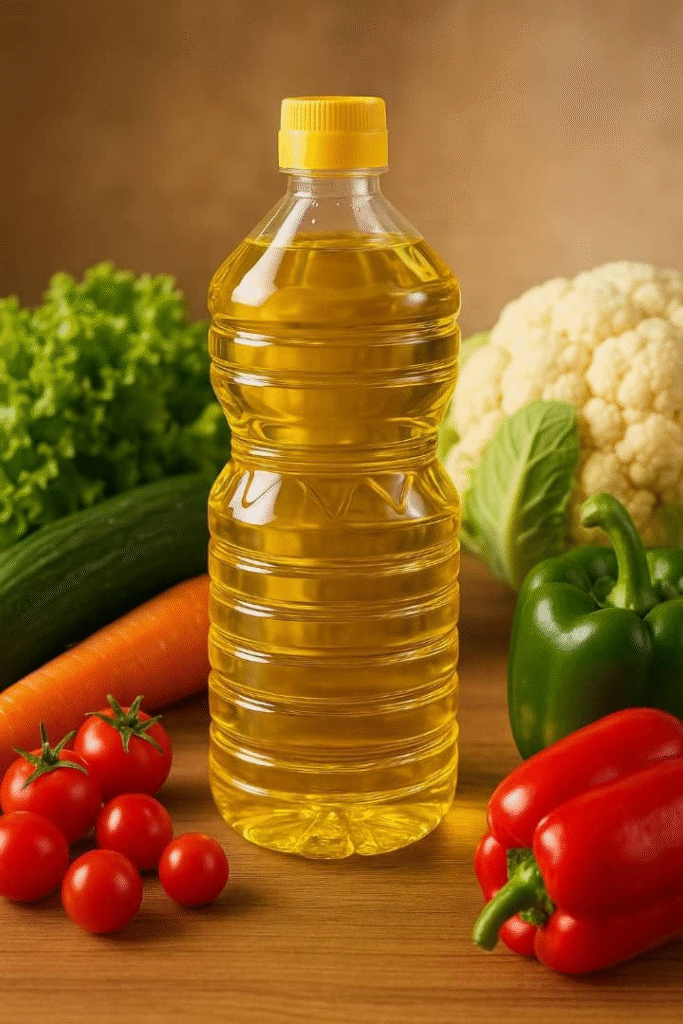
- Role: Oil stays liquid at room temp, keeping brownies moist and soft.
- Best use: Combine with butter for the perfect chew + flavor combo.
- Note: Canola or vegetable oil are neutral; olive oil can add depth but may alter flavor.
Sugar
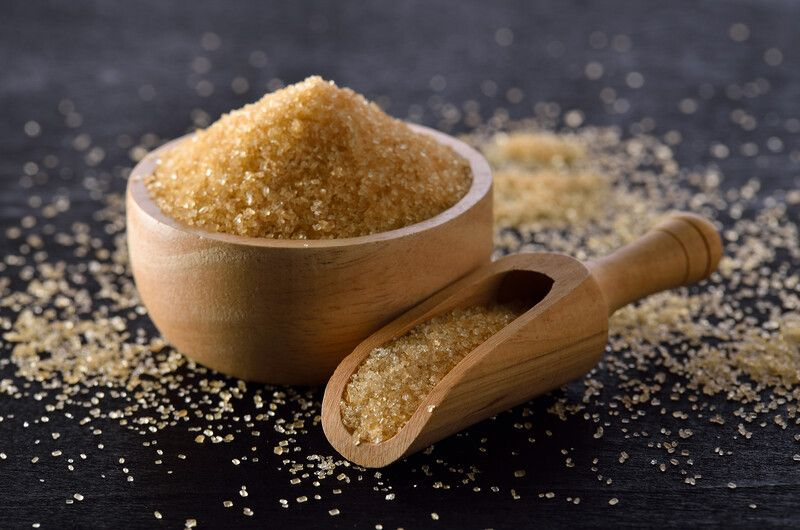
- White sugar: Creates that glossy top and structure.
- Brown sugar: Adds chewiness and moisture.
- Ratio tip: A mix of 70% white sugar and 30% brown sugar often yields the best chewy texture.
Eggs
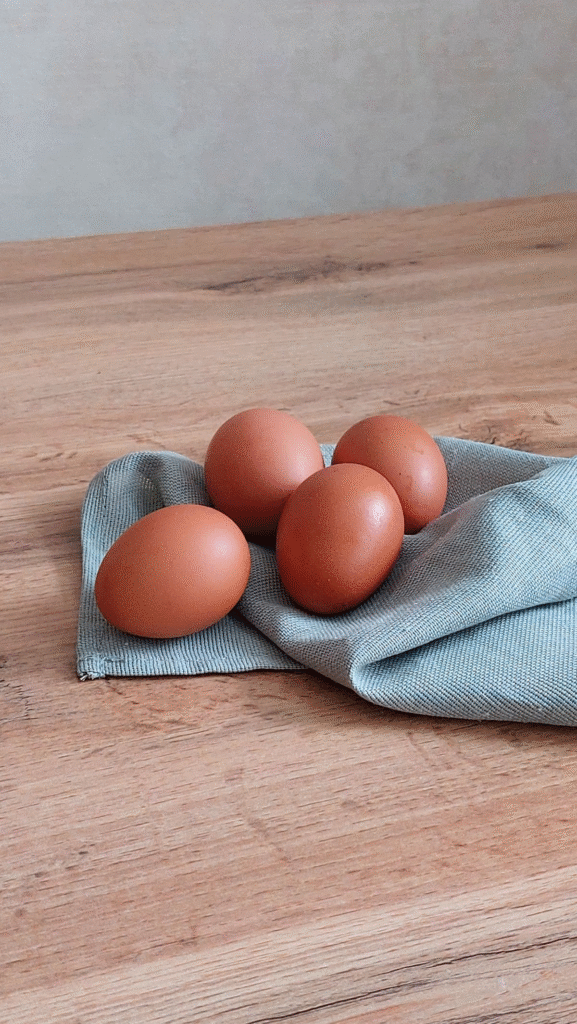
- Function: Bind, give structure, and contribute to the shiny crust when beaten with sugar.
- Egg count: 2 eggs for fudgy, 3 for chewy, 4 for cakey.
Cocoa Powder
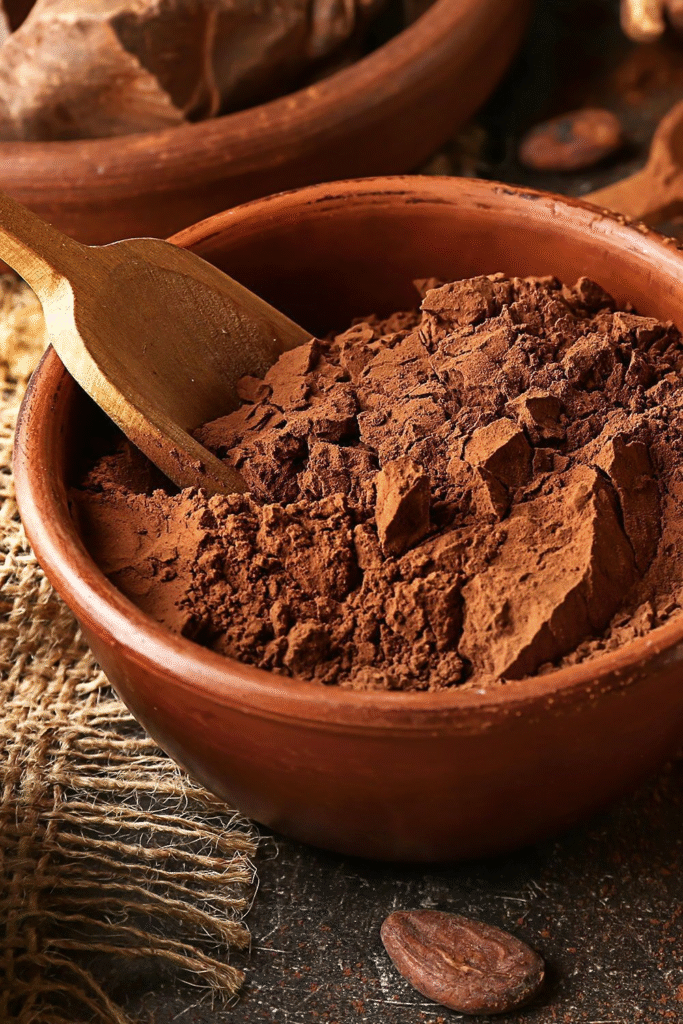
- Role: Concentrated chocolate flavor without excess fat.
- Type: Use Dutch-process cocoa for a richer, less acidic taste.
Flour
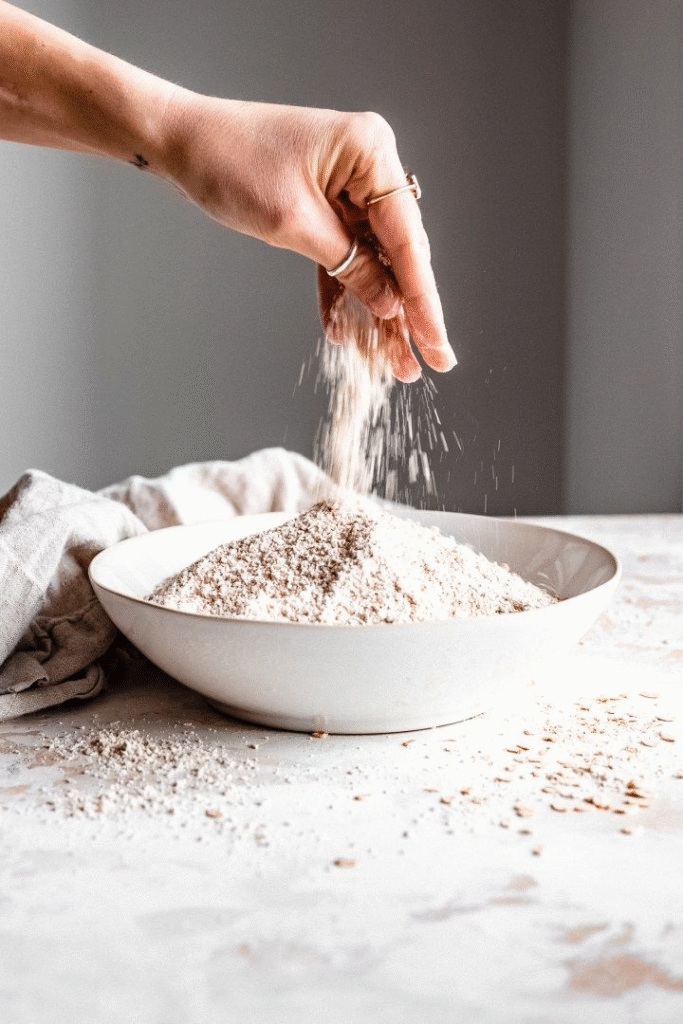
- Purpose: Provides structure. Too much flour = dry, less chewy brownies.
- Best practice: Measure with a kitchen scale for accuracy. 120g is standard for most chewy recipes.
Chocolate
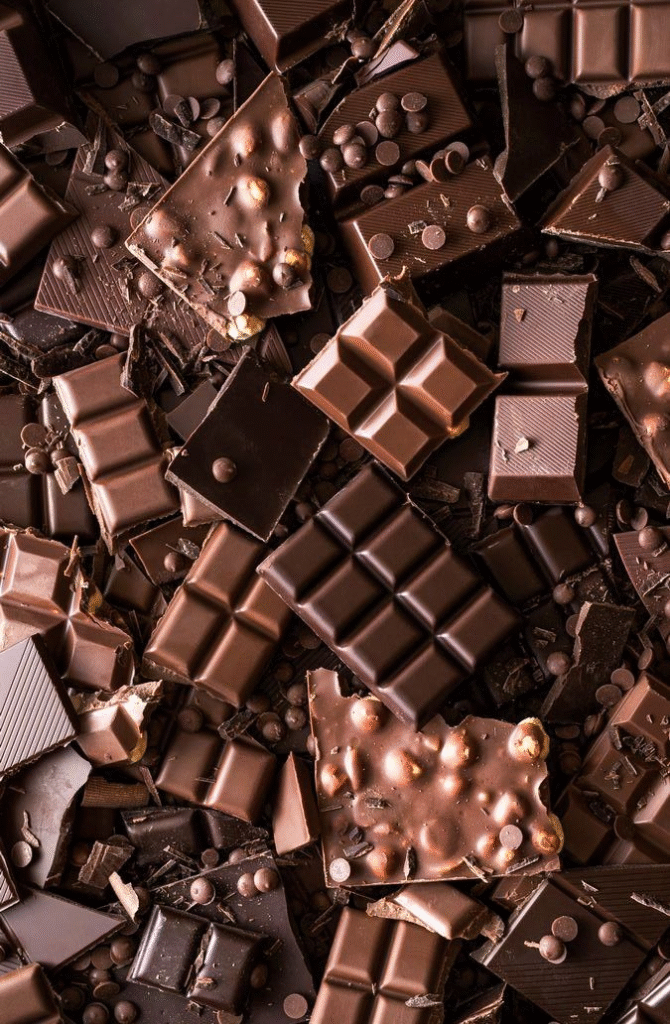
- Melted chocolate: Adds richness and depth.
- Chips or chunks: Give gooey pockets that enhance chewiness.
Salt
- Importance: Balances sweetness and enhances chocolate flavor. Without it, brownies taste flat.
Vanilla Extract
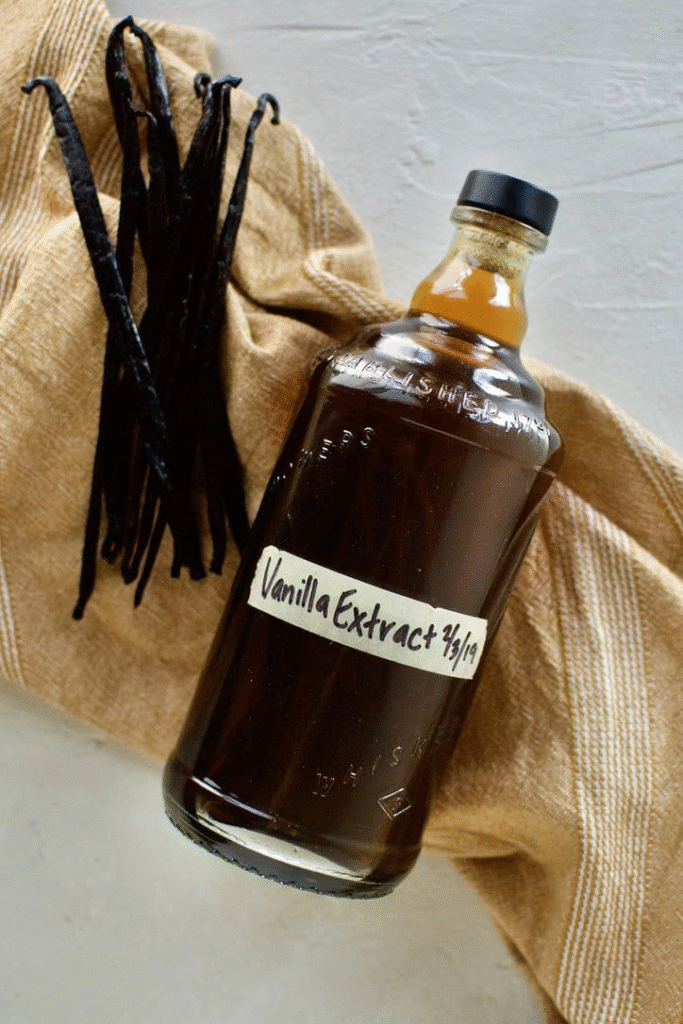
- Purpose: Rounds out chocolate flavor.
- Tip: Pure vanilla extract makes a noticeable difference.
Step-by-Step Method for Best Chewy Brownies
Here’s the foolproof process I use after dozens of recipe tests.
Step 1: Prepare Your Pan
Line an 8×8-inch or 9×9-inch metal pan with parchment paper, leaving overhang for easy lifting. Metal pans conduct heat better, giving you crisp edges.
Step 2: Melt Butter and Chocolate
In a heatproof bowl, melt 1/2 cup butter and 4 oz dark chocolate over simmering water or in short microwave bursts. Stir until smooth.
Step 3: Beat Sugar and Eggs
Whisk 1 cup white sugar, 1/2 cup brown sugar, and 3 large eggs for 2–3 minutes until pale and slightly thick. This creates the shiny crust.
Step 4: Combine Wet Ingredients
Slowly whisk the melted chocolate-butter mixture into the sugar-egg mixture. Add 1 tsp vanilla extract.
Step 5: Add Dry Ingredients
Sift together 3/4 cup flour, 1/4 cup cocoa powder, and 1/2 tsp salt. Gently fold into wet ingredients until just combined.
Step 6: Add Extras (Optional)
Fold in 1/2 cup chocolate chips for extra gooeyness.
Step 7: Bake
Pour batter into prepared pan. Bake at 350°F (175°C) for 25–30 minutes. The center should be set but still slightly soft.
Step 8: Cool Completely
Chewy brownies need time to set. Cool in the pan for at least 1 hour before slicing.
Pro Tips for Chewiness
- Don’t Overbake – The #1 cause of dry brownies. Pull them out when a toothpick has moist crumbs, not clean.
- Use Room-Temp Eggs – Helps emulsify with melted butter for better texture.
- Weigh Ingredients – Even a little too much flour can ruin chewiness.
- Mix by Hand – Electric mixers can overdevelop gluten; a whisk or spatula is safer.
- Rest Overnight – Flavors deepen and texture becomes even chewier.
Brownie Variations That Stay Chewy
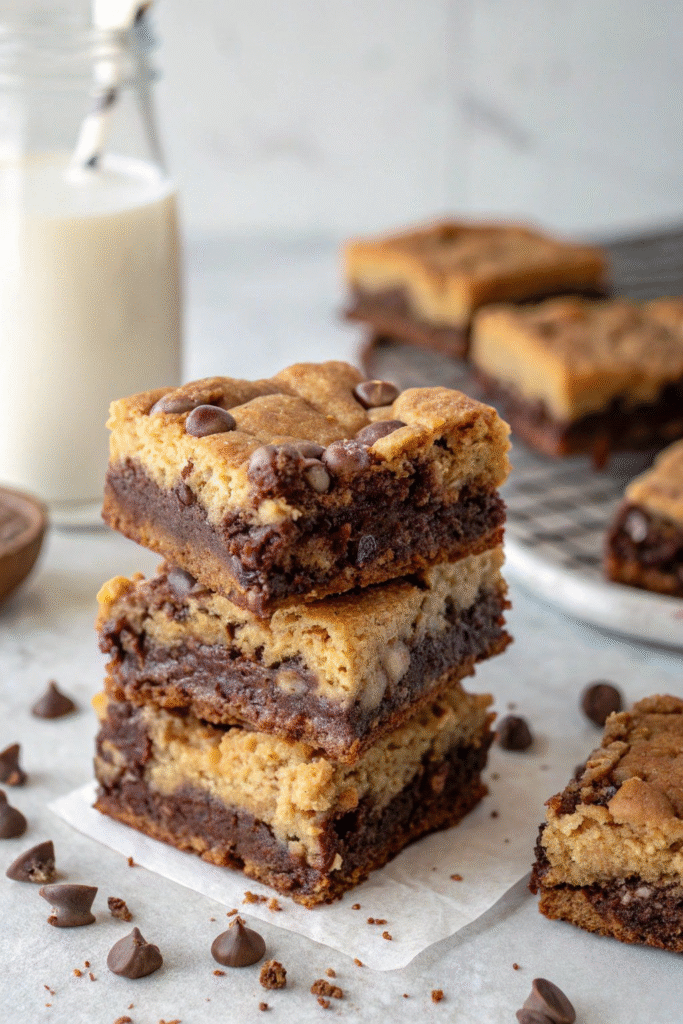
- Salted Caramel Swirl – Swirl in caramel before baking, then sprinkle with sea salt.
- Espresso Brownies – Add 1 tsp instant espresso powder to intensify chocolate flavor.
- Nutty Brownies – Fold in toasted walnuts or pecans for extra texture.
- Peanut Butter Ribbon – Drop spoonfuls of peanut butter and swirl gently.
Storage and Shelf Life
Room Temp: Store in an airtight container for up to 4 days.
Fridge: Keeps for a week, but texture may firm up — microwave briefly to soften.
Freezer: Wrap tightly in plastic and freeze up to 3 months. Thaw overnight in the fridge.
Common Mistakes to Avoid
- Using a glass dish – Retains heat too long, overbaking edges.
- Cutting too soon – Leads to messy slices; let them set.
- Swapping all butter for oil – Too oily, less flavor.
- Skipping parchment – Risk of sticking, tearing brownies.
My Personal Brownie Story
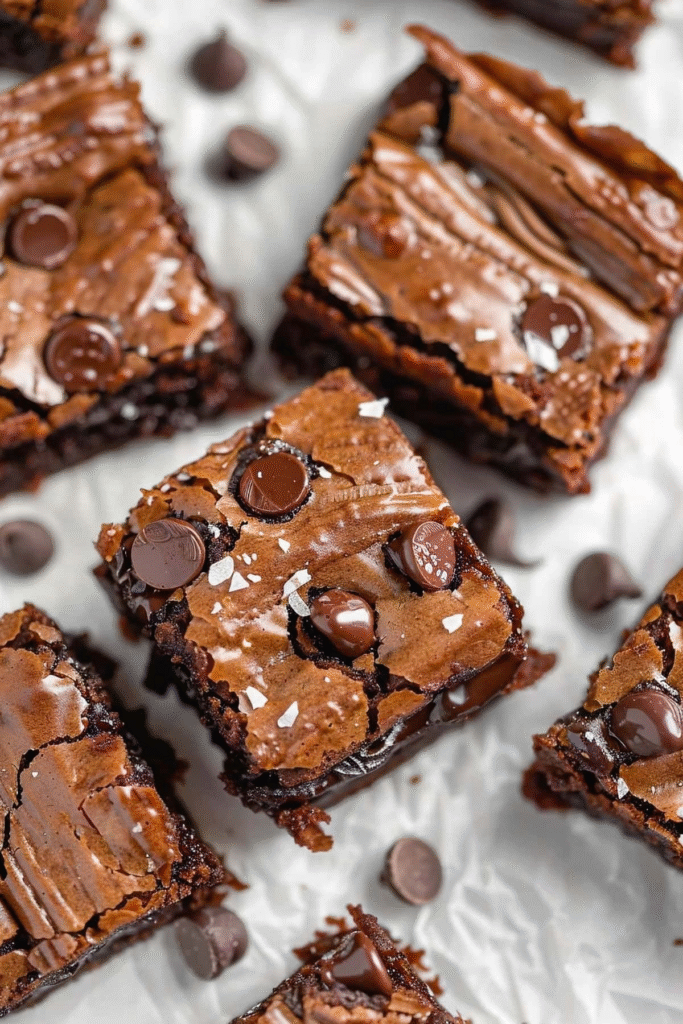
The first time I nailed a chewy brownie was during a summer storm. Power flickered, the air was heavy with rain, and I had just enough ingredients to attempt a batch. I followed a scrap-paper recipe my aunt had scribbled years ago, but I tweaked it — swapped some white sugar for brown, used cocoa powder plus melted chocolate, and barely stirred after adding flour.
When they came out, they were perfect: a crisp top, dense middle, and that chew that keeps you going back for “just one more square.” I’ve been chasing that standard ever since — and this recipe nails it every single time.
Final Thoughts
Perfect chewy brownies aren’t about luck. They’re the result of precise ingredient ratios, correct mixing, and baking just long enough. Once you master the balance, you’ll never settle for box mix again. Whether you’re baking for a crowd or just for yourself (no judgment here), these brownies will deliver every time — rich, indulgent, and deeply satisfying.